
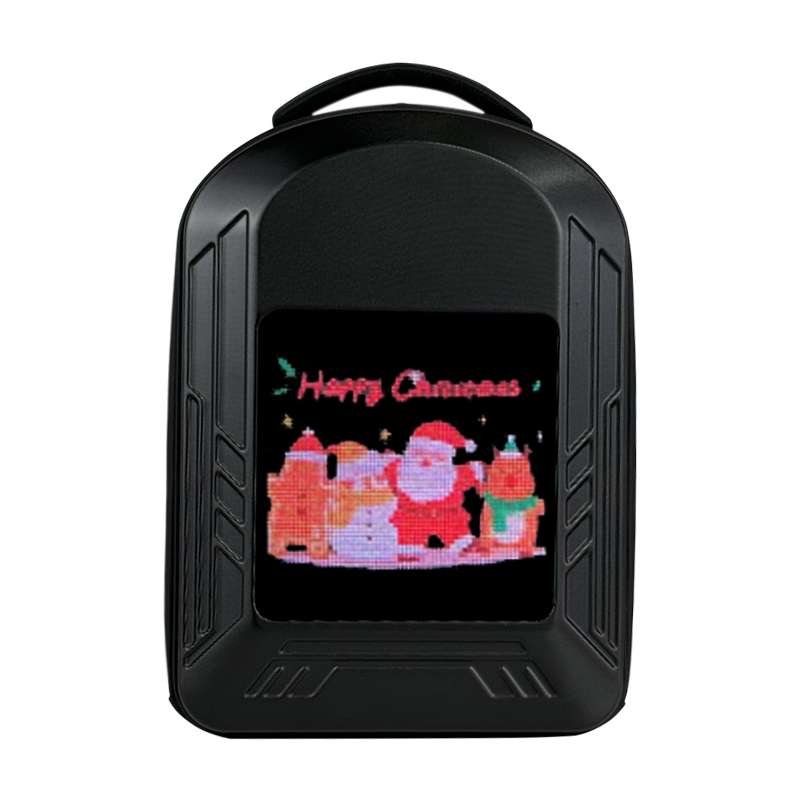
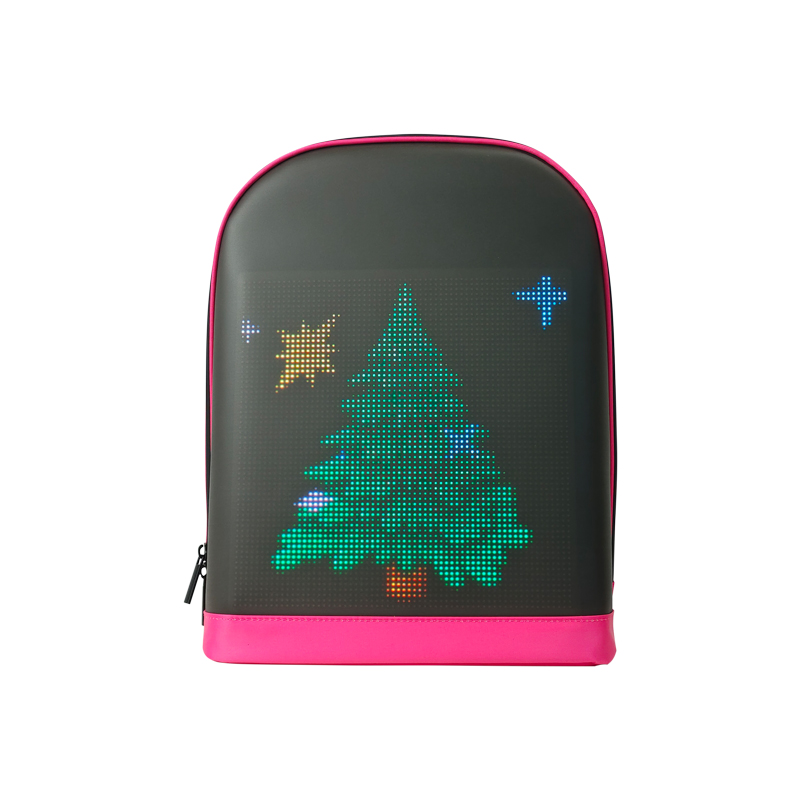
The insulation bag industry is undergoing a remarkable transformation as we move into 2026. Driven by evolving consumer lifestyles, heightened environmental awareness, and technological advancements, insulation bags have evolved from simple temperature-retention carriers into sophisticated lifestyle accessories. Whether you rely on a compact food cooler bag for daily grocery runs, a spacious insulated picnic bag for weekend outings, or a dependable insulated lunch bag for workplace meals, understanding the emerging trends helps consumers and businesses alike make informed choices. This article explores the key insulation bags trends set to dominate 2026, with particular focus on how the versatile lunch insulated bag segment is evolving alongside broader market movements.
1. Sustainable and Eco-Friendly Materials
Sustainability remains the most significant trend shaping insulation bags in 2026. Consumers increasingly demand products that minimize environmental impact without compromising performance. Manufacturers are responding by developing insulation bags constructed from recycled materials, including post-consumer plastic bottles and reclaimed fabrics. A modern food cooler bag now commonly features liners made from biodegradable materials or plant-based insulation foams. Similarly, the insulated picnic bag segment has seen a surge in natural fiber exteriors, such as organic cotton or hemp, combined with non-toxic, recyclable insulation layers. Even the everyday insulated lunch bag is transitioning away from virgin plastics toward certified recycled materials. The lunch insulated bag category, in particular, is embracing cradle-to-cradle design principles, ensuring that insulation bags can be responsibly recycled at the end of their lifecycle.
2. Smart Technology Integration
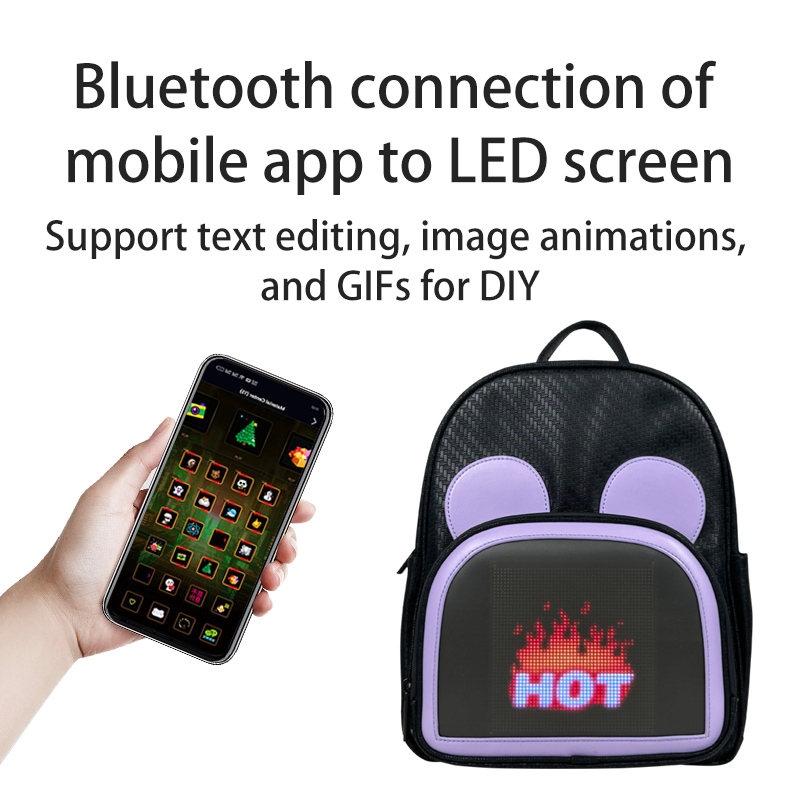
Technology integration is rapidly emerging as a defining trend for insulation bags in 2026. Smart insulation bags now feature embedded temperature sensors that sync with mobile applications, allowing users to monitor internal temperatures in real time. A premium food cooler bag may include Bluetooth-enabled indicators that alert users when temperatures approach unsafe ranges. For social gatherings, the insulated picnic bag is being reimagined with integrated LED lighting for evening use and USB charging ports for portable devices. The insulated lunch bag segment has introduced models with self-heating or self-cooling capabilities powered by rechargeable battery packs. A sophisticated lunch insulated bag might even include portion-tracking features that connect to nutrition apps, transforming insulation bags from passive containers into active lifestyle management tools.
3. Modular and Customizable Designs
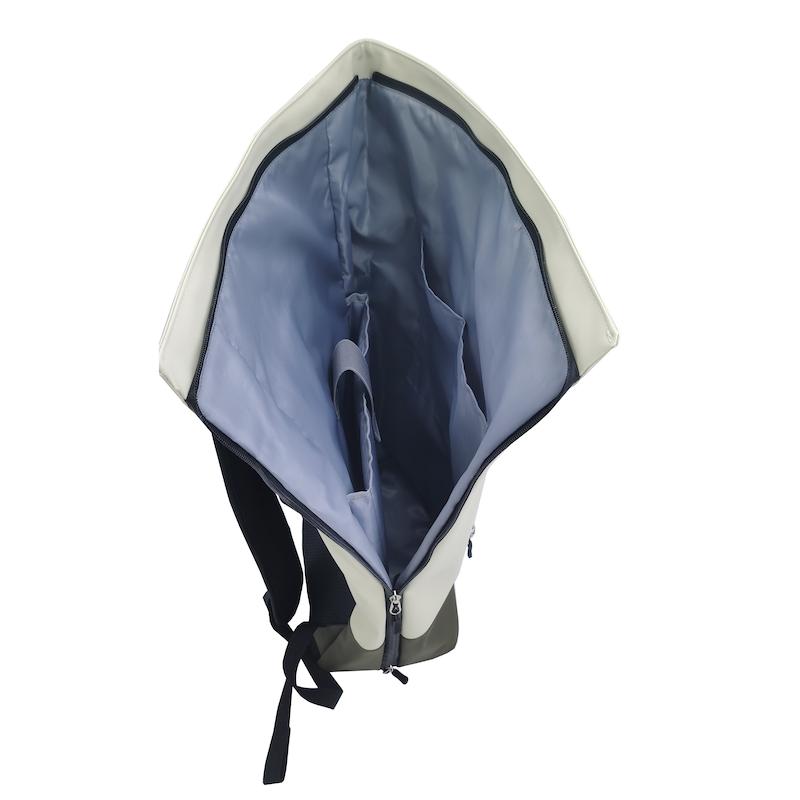
Personalization is driving significant innovation across insulation bags in 2026. Consumers seek products that adapt to varying needs rather than requiring multiple specialized purchases. Modular insulation bags systems now allow users to configure compartments based on trip duration, group size, or meal type. A versatile food cooler bag might feature removable dividers, stackable modules, and interchangeable straps that convert between shoulder carry and backpack configurations. The insulated picnic bag market has embraced customizable interior layouts with adjustable compartments for wine bottles, plates, and utensils. Even the compact insulated lunch bag now offers expandable capacities and detachable accessory pouches. This trend toward modularity ensures that insulation bags serve multiple purposes, reducing overall consumption while maximizing utility.
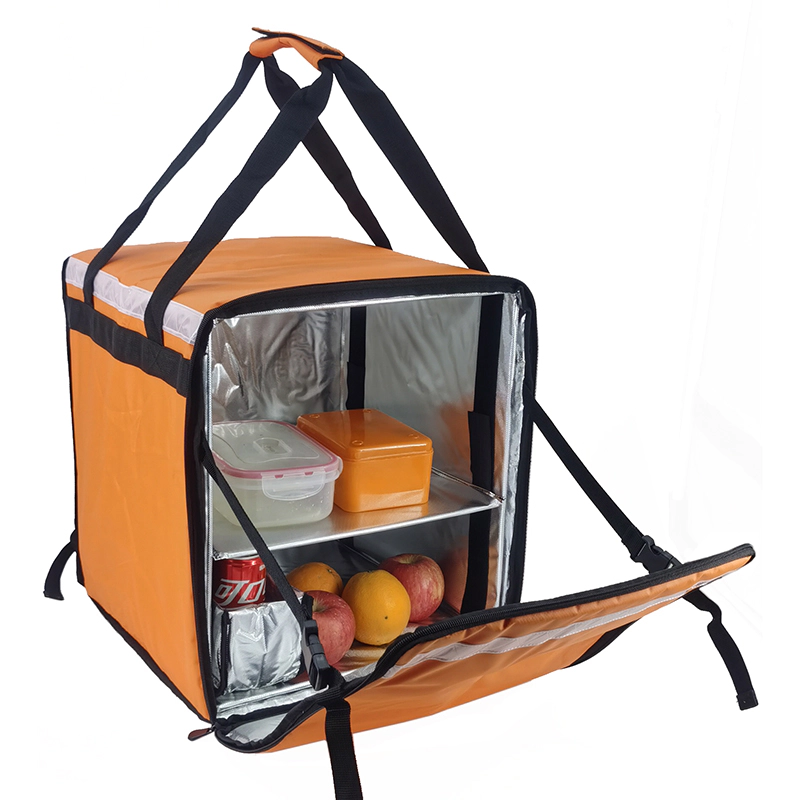
food cooler bag
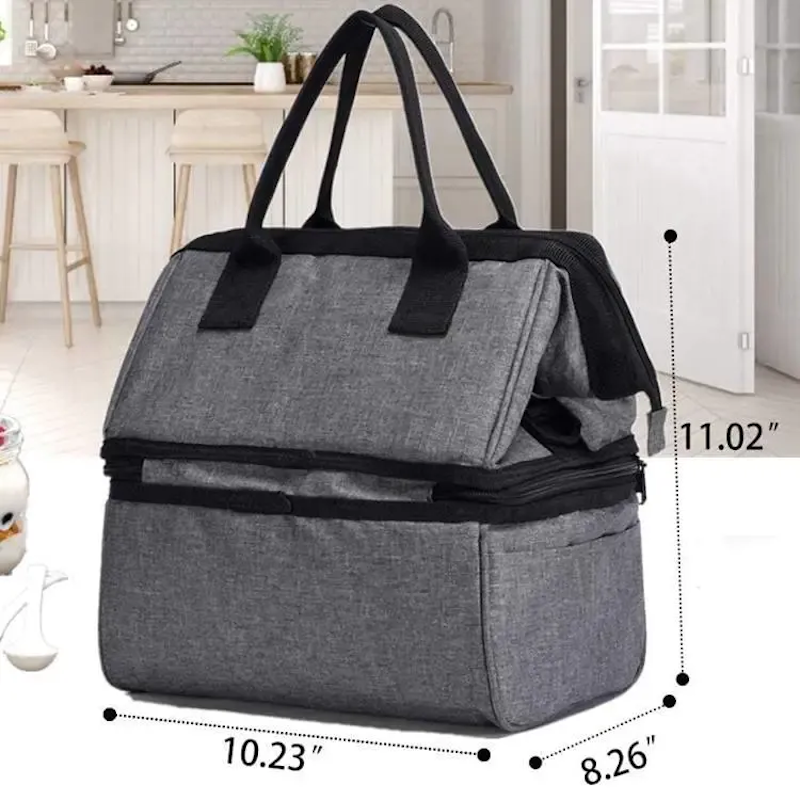
insulated picnic bag
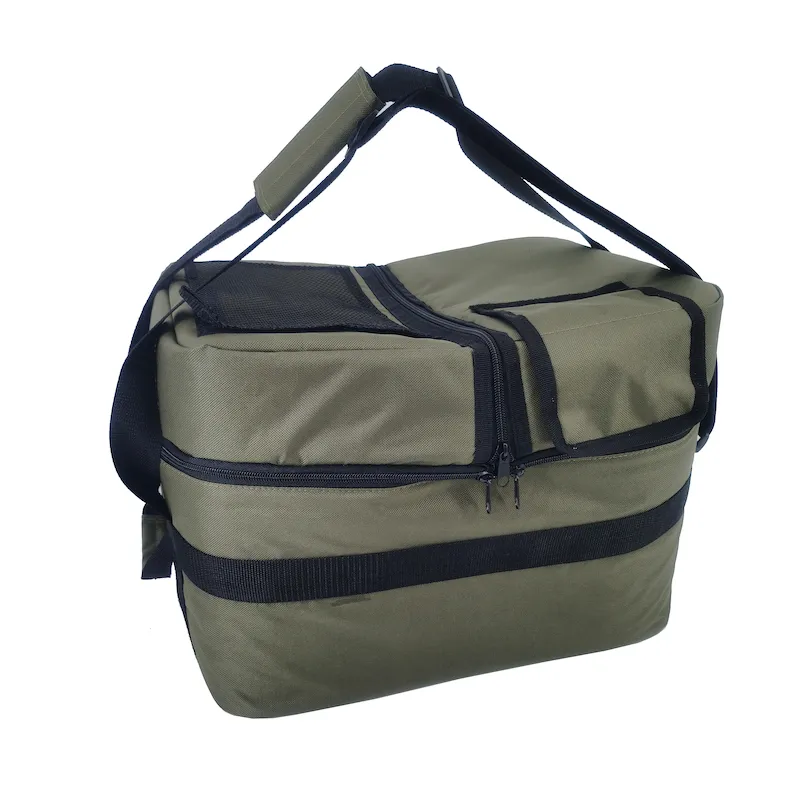
insulated lunch bag
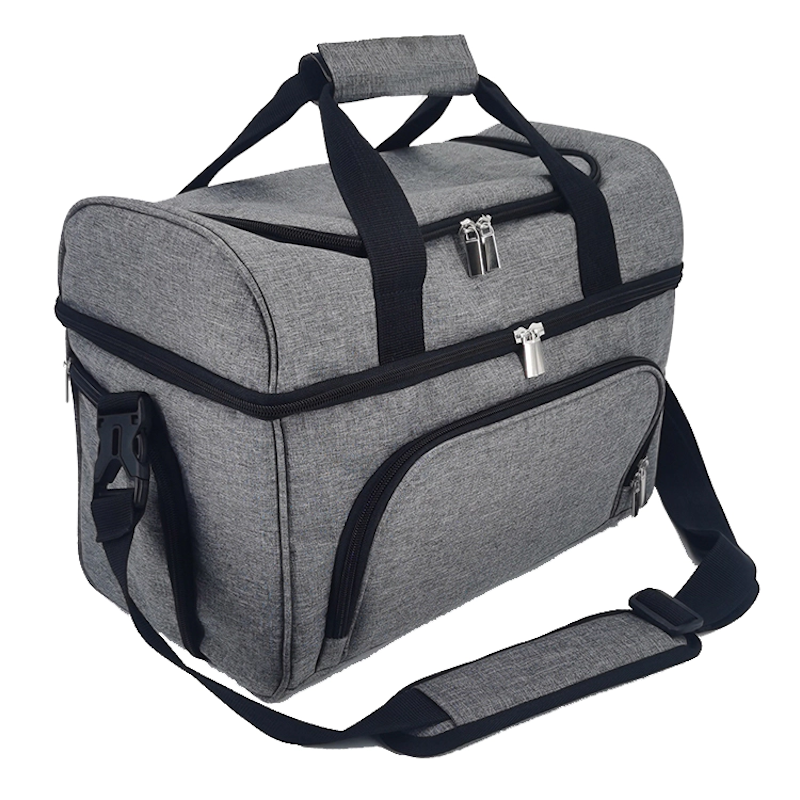
lunch insulated bag
4. Elevated Aesthetics and Lifestyle Integration
Gone are the days when insulation bags prioritized function over form. In 2026, insulation bags are increasingly designed as lifestyle accessories that complement personal style. The food cooler bag segment now features premium materials such as vegan leather accents, sophisticated color palettes, and minimalist silhouettes suitable for professional environments. High-end insulated picnic bag designs incorporate fashion-forward elements like woven textures, metallic finishes, and designer collaborations. The insulated lunch bag has evolved into a statement piece, with consumers selecting options that align with their workplace attire and personal branding. A premium lunch insulated bag now rivals traditional handbags in design sophistication, proving that insulation bags can deliver both performance and aesthetic appeal.
5. Multi-Functional and Hybrid Designs
Consumers in 2026 prioritize products that deliver multiple functions, and insulation bags are no exception. Hybrid designs that combine insulation capabilities with other utility features are gaining substantial market share. A contemporary food cooler bag might incorporate laptop sleeves, transforming it into a work-appropriate tote that transitions seamlessly from office to market. The insulated picnic bag category has expanded to include models with integrated picnic blankets, fold-out tables, and built-in bottle openers. For daily use, the insulated lunch bag increasingly features exterior pockets designed to hold smartphones, keys, and other essentials, reducing the need for separate bags. This multi-functional approach ensures that insulation bags deliver exceptional value while encouraging consistent use through enhanced convenience.
6. Advanced Insulation Technology
Thermal performance continues to advance significantly in 2026, with new insulation technologies pushing the boundaries of temperature retention. Modern insulation bags utilize vacuum-insulated panels, phase-change materials, and aerogel composites that maintain desired temperatures for extended periods with reduced bulk. A cutting-edge food cooler bag can now keep contents cold for over 24 hours without external ice packs. The insulated picnic bag segment benefits from ultra-thin, high-performance insulation that maximizes interior capacity while maintaining portability. For everyday users, insulated lunch bag models now incorporate proprietary thermal linings that reflect heat away from contents, significantly extending temperature retention. These technological advances ensure that insulation bags meet the demands of increasingly discerning consumers who expect uncompromising performance.
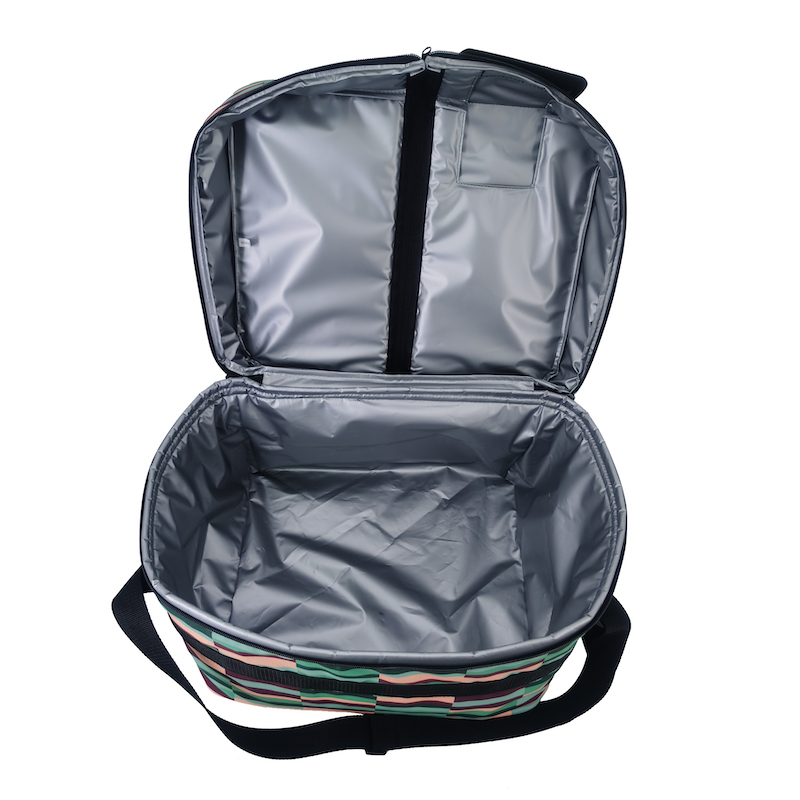
food cooler bag
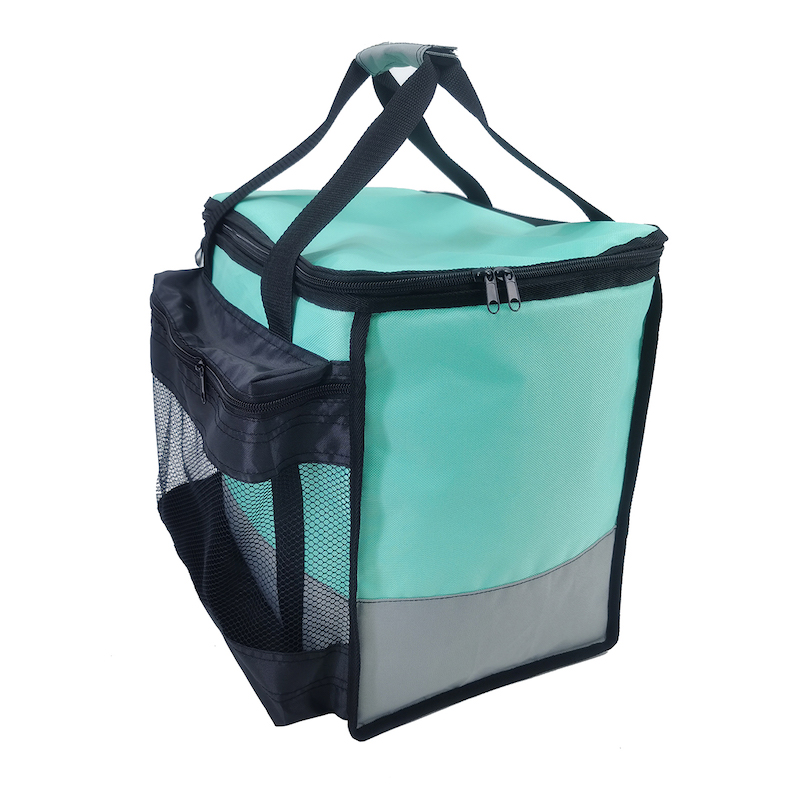
insulated picnic bag
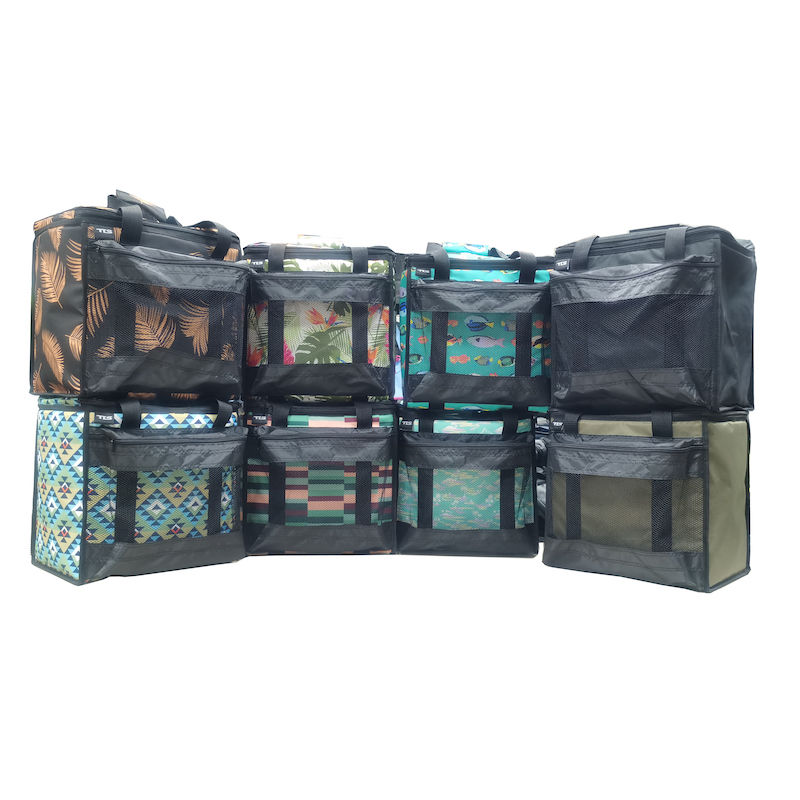
insulated lunch bag
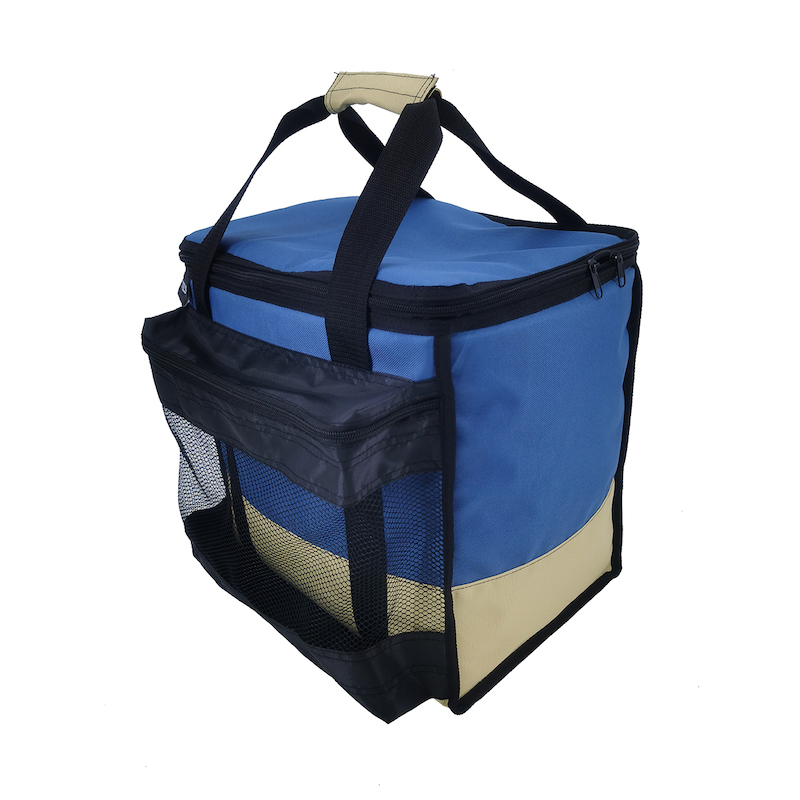
lunch insulated bag
7. Customization and OEM Solutions
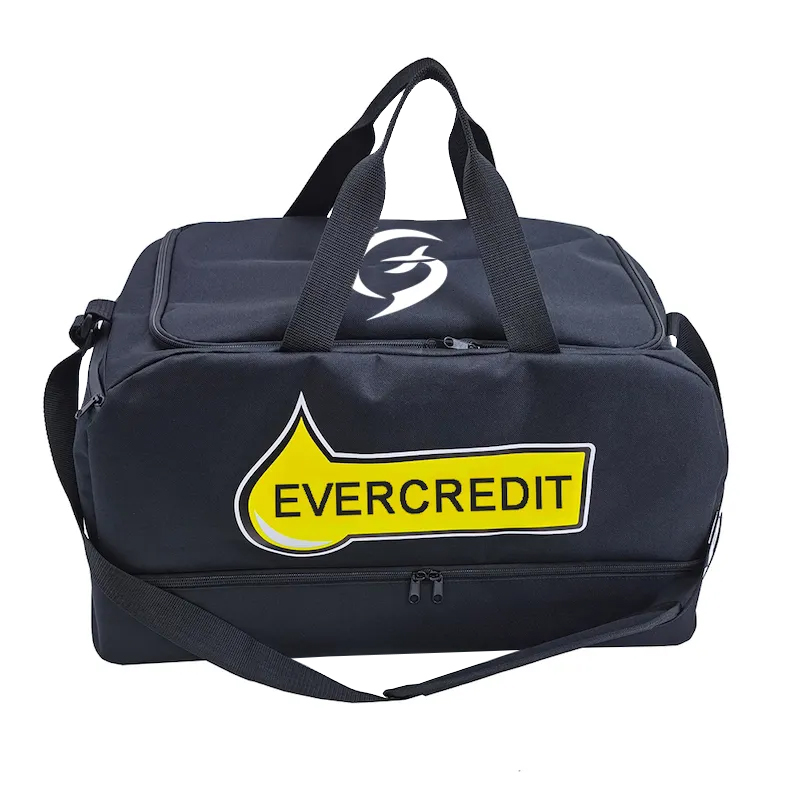
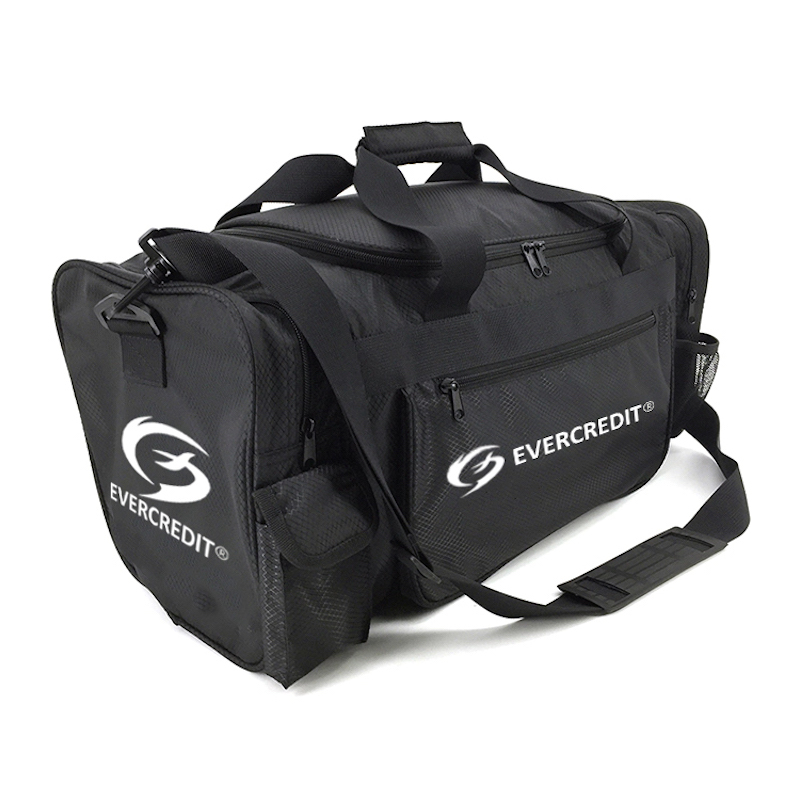
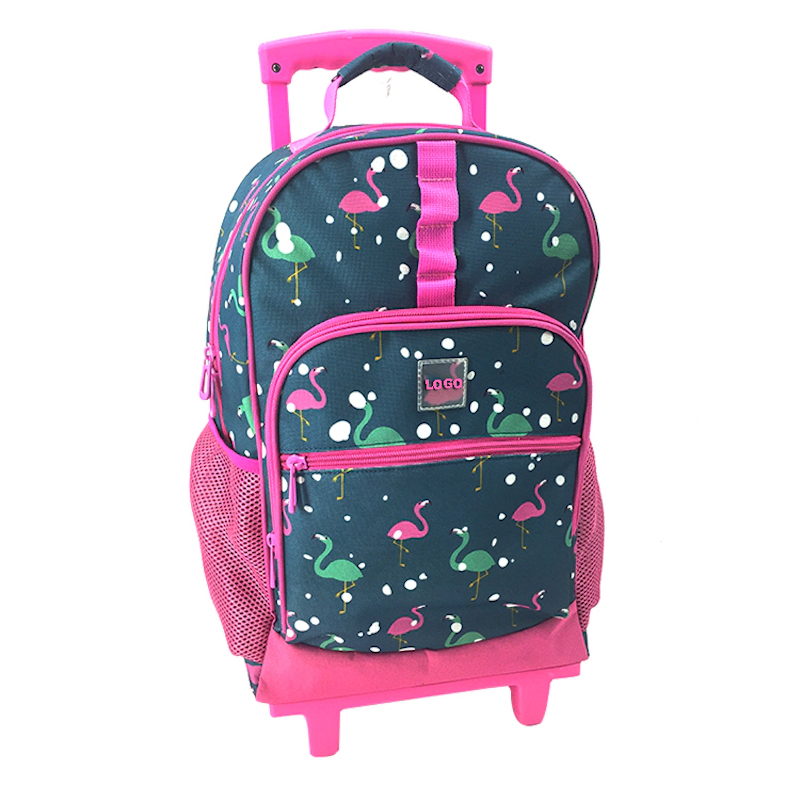
As the insulation bags market becomes increasingly competitive, businesses are seeking differentiated products that stand out in crowded retail environments. This has driven substantial growth in customized insulation bags solutions. Evercredit has a complete industrial chain and a professional R&D team, which can be customized according to customer needs, and customize the brand logo, size, shape, color, material, etc. required by customers on the products to ensure that the products fully meet customer requirements and enhance brand awareness and market competitiveness. We always take customer satisfaction as our purpose, respect the different needs of brand customers, and launch multiple sets of OEM or ODM solutions. Whether clients require bespoke food cooler bag designs for retail distribution, branded insulated picnic bag collections for hospitality partners, or customized insulated lunch bag lines for corporate gifting, comprehensive OEM capabilities enable the creation of distinctive insulation bags that resonate with target audiences. The lunch insulated bag segment, in particular, benefits from these customization options, allowing businesses to deliver products that align precisely with brand identity and consumer expectations.
The insulation bag industry in 2026 is characterized by convergence of sustainability, technology, personalization, and multifunctionality. From eco-conscious materials in insulation bags to smart features in food cooler bag designs, and from modular insulated picnic bag systems to aesthetically refined insulated lunch bag collections, the market offers unprecedented variety and sophistication. The lunch insulated bag segment exemplifies how traditional categories are being reimagined to meet contemporary consumer demands. As customization capabilities expand through comprehensive OEM and ODM solutions, businesses can leverage these trends to create distinctive insulation bags that capture market attention. Whether for personal use or commercial distribution, understanding these dominant trends ensures that choices in insulation bags align with the values, expectations, and lifestyles of 2026 consumers.
