

The global movement toward zero-waste living has inspired individuals to rethink every aspect of their daily routines, from food purchasing to storage and transportation. Among the most practical yet often overlooked tools in this journey are insulation bags. These versatile carriers do more than merely keep food at the desired temperature—they actively enable consumers to eliminate single-use packaging, reduce food waste, and adopt sustainable habits. Whether you utilize a compact food cooler bag for grocery runs, a spacious insulated picnic bag for outdoor gatherings, or a reliable insulated lunch bag for daily meals, the role of insulation bags in supporting a zero-waste lifestyle is profound. This article explores how insulation bags, including the versatile lunch insulated bag, contribute to waste reduction across multiple aspects of modern living.
1. Eliminating Single-Use Packaging
One of the foundational principles of zero-waste living is refusing disposable items, and insulation bags serve as the perfect alternative to single-use plastic bags and disposable coolers. By investing in durable insulation bags, consumers can transport perishable items without relying on foam coolers or plastic grocery bags that end up in landfills. A high-quality food cooler bag allows shoppers to purchase meat, dairy, and frozen goods without accepting disposable insulated pouches from retailers. Similarly, an insulated picnic bag eliminates the need for single-use ice packs or disposable coolers for outdoor excursions. For daily use, an insulated lunch bag replaces countless paper bags and plastic wrap, while a lunch insulated bag with reusable compartments further reduces dependency on prepackaged single-serving items. When insulation bags become standard equipment, the cumulative reduction in disposable packaging waste is substantial.
2. Reducing Food Waste Through Proper Temperature Management
Food waste represents a significant environmental challenge, and insulation bags play a critical role in preserving perishables from the point of purchase to consumption. By maintaining consistent temperatures during transport, insulation bags ensure that fresh produce, dairy, and prepared meals remain safe for extended periods. A reliable food cooler bag used during grocery shopping prevents temperature-sensitive items from spoiling before they reach the refrigerator, particularly during warm weather or long commutes. For those who meal prep, an insulated lunch bag keeps prepared meals at safe temperatures throughout the day, reducing the likelihood of discarded food due to spoilage. A well-designed lunch insulated bag with high-performance insulation allows users to pack exactly what they need without fear of waste. Even an insulated picnic bag used for group gatherings encourages portioned, planned meals rather than over-purchasing disposable alternatives that often go uneaten.
3. Enabling Bulk Shopping and Package-Free Purchases
Zero-waste living frequently involves shopping at bulk food stores, farmers' markets, and package-free retailers—all of which require appropriate containers for transport. Insulation bags are essential companions for this shopping style, as they accommodate reusable containers while maintaining food safety. A spacious food cooler bag can hold glass jars, stainless steel containers, and cloth produce bags while keeping delicate items like cheese, yogurt, and fresh meats at proper temperatures. For farmers' market excursions, an insulated picnic bag with multiple compartments allows shoppers to separate different types of perishables without cross-contamination. When packing daily meals from bulk purchases, an insulated lunch bag provides a dedicated, reusable vessel that eliminates the need for prepackaged convenience foods. A lunch insulated bag designed with modular compartments further supports package-free living by allowing users to transport bulk-purchased items directly to workplaces or schools without intermediate packaging.
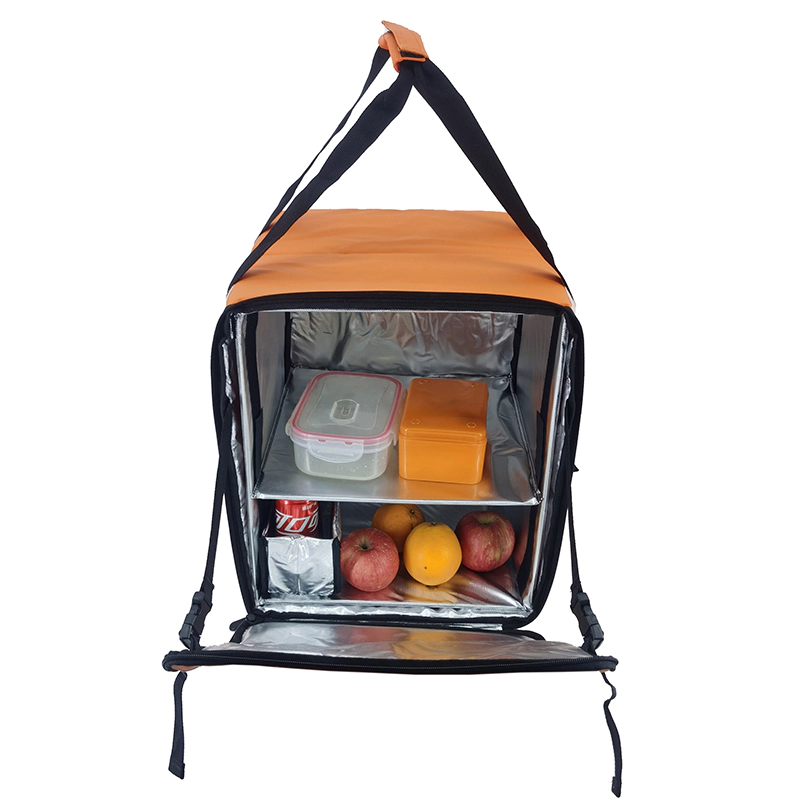
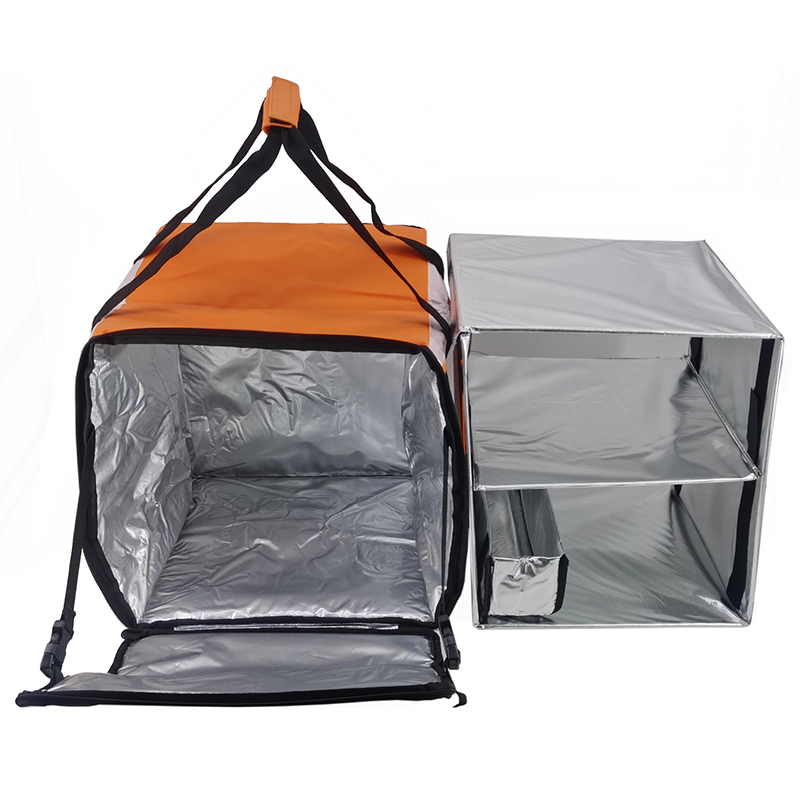
food cooler bag
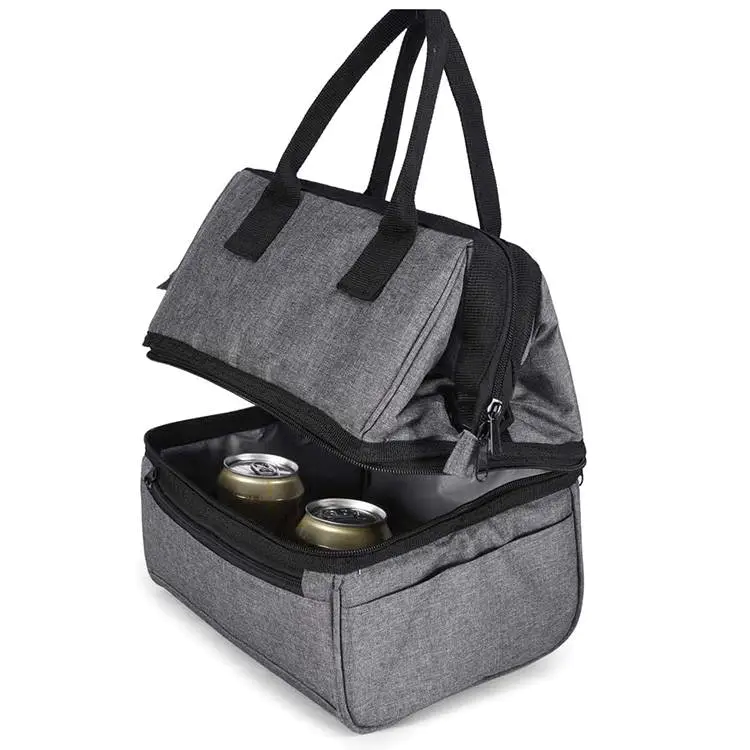
insulated picnic bag
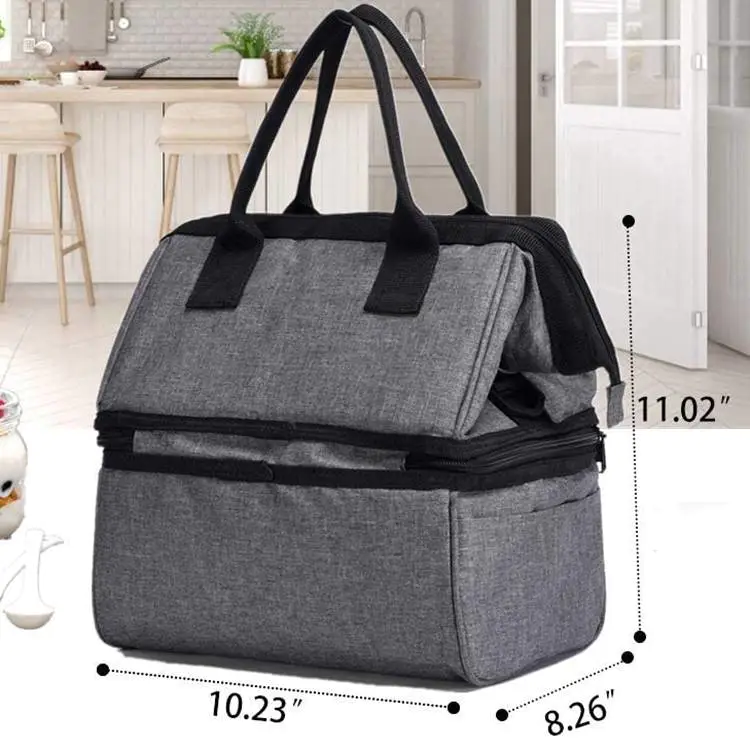
insulated lunch bag
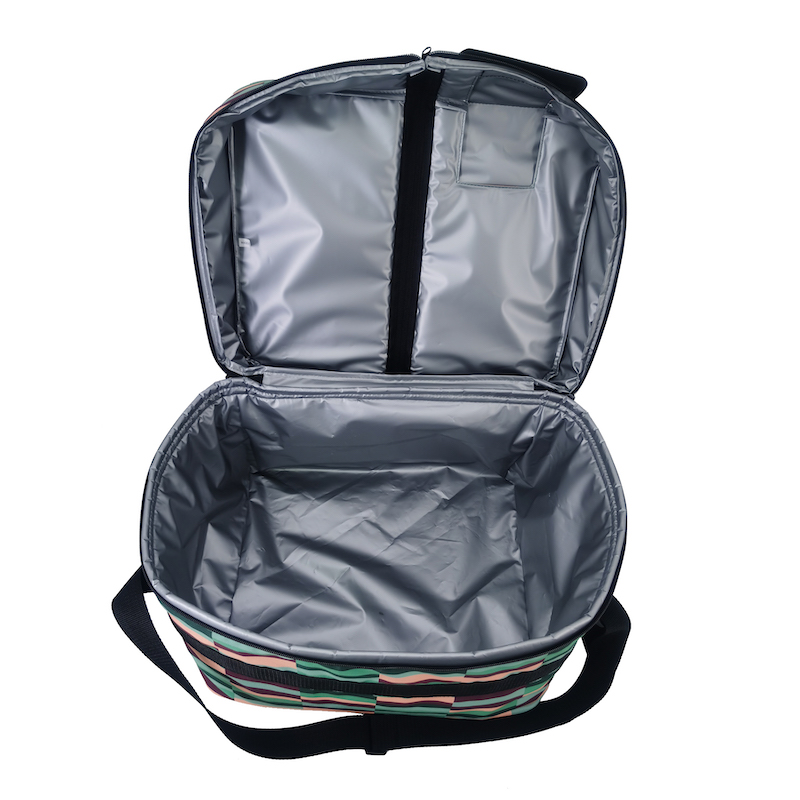
lunch insulated bag
4. Encouraging Reusable Container Adoption
The effectiveness of insulation bags in zero-waste systems is amplified when paired with reusable food containers. Modern insulation bags are specifically designed to accommodate standard glass and stainless steel containers, creating a complete reusable ecosystem. A premium food cooler bag often features adjustable dividers that securely hold various container sizes, preventing movement during transit. For outdoor dining experiences, an insulated picnic bag with dedicated spaces for plates, cutlery, and containers eliminates the need for disposable tableware. Daily use of an insulated lunch bag encourages consistent adoption of reusable containers, as users establish routines around packing and cleaning their insulation bags. A versatile lunch insulated bag with leak-proof linings provides peace of mind when transporting saucy or liquid-heavy meals in reusable containers, further reinforcing the shift away from disposable alternatives.
5. Extending Lifespan Through Durability and Repairability
Zero-waste principles emphasize choosing products designed for longevity, and high-quality insulation bags exemplify this approach. Unlike disposable alternatives that are used once and discarded, durable insulation bags are built to last for years with proper care. A well-constructed food cooler bag with reinforced stitching, rust-proof zippers, and high-density insulation can withstand hundreds of uses, representing a significant reduction in material consumption over time. Many manufacturers of insulated picnic bag products now offer repair services or replacement parts, aligning with circular economy principles. For daily users, an insulated lunch bag made from sustainable materials such as recycled polyester or natural fibers further reduces environmental impact. A thoughtfully selected lunch insulated bag becomes a long-term investment that, when properly maintained, eliminates the need for repeated purchases of disposable alternatives.
6. Supporting Plastic-Free Picnics and Gatherings
Social gatherings often generate substantial waste through single-use plates, cups, and serving containers. Insulation bags enable hosts and guests to participate in zero-waste events by facilitating the transport of homemade dishes in reusable vessels. A large food cooler bag can transport multiple dishes simultaneously while maintaining safe temperatures for potluck-style gatherings. An insulated picnic bag designed for group use often includes integrated serving features, such as fold-out surfaces or divided compartments, that eliminate the need for disposable serving ware. For individuals contributing to shared meals, an insulated lunch bag or lunch insulated bag allows them to transport their offerings in reusable containers without requiring disposable packaging at the destination. By normalizing the use of insulation bags in social settings, zero-waste practices extend beyond individual habits to influence community norms.
7. Complementing Composting and Food Preservation Systems
Zero-waste households often incorporate composting and food preservation practices, and insulation bags serve as valuable tools within these systems. When transporting food scraps to community composting facilities, a dedicated food cooler bag prevents leaks and odors while maintaining hygiene. For those practicing fermentation or home preservation, an insulated picnic bag can provide stable temperature conditions during transport to markets or sharing events. In daily life, an insulated lunch bag allows users to separate compostable scraps from other waste during the workday, facilitating proper disposal. A versatile lunch insulated bag with removable, washable liners makes it easy to maintain cleanliness when transporting food scraps or reusable containers, ensuring that insulation bags remain hygienic across multiple uses.
food cooler bag
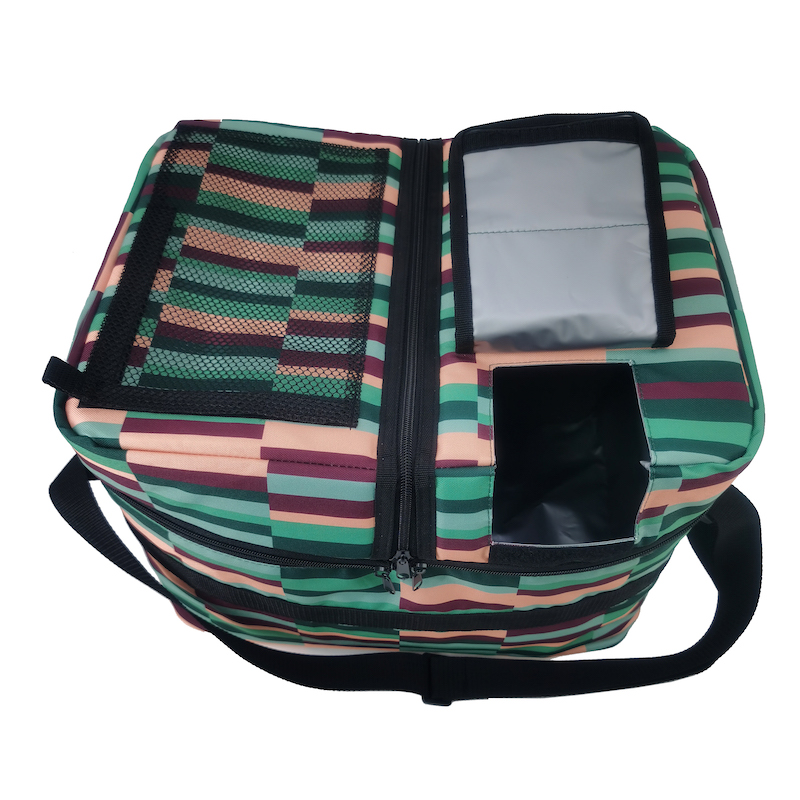
insulated picnic bag
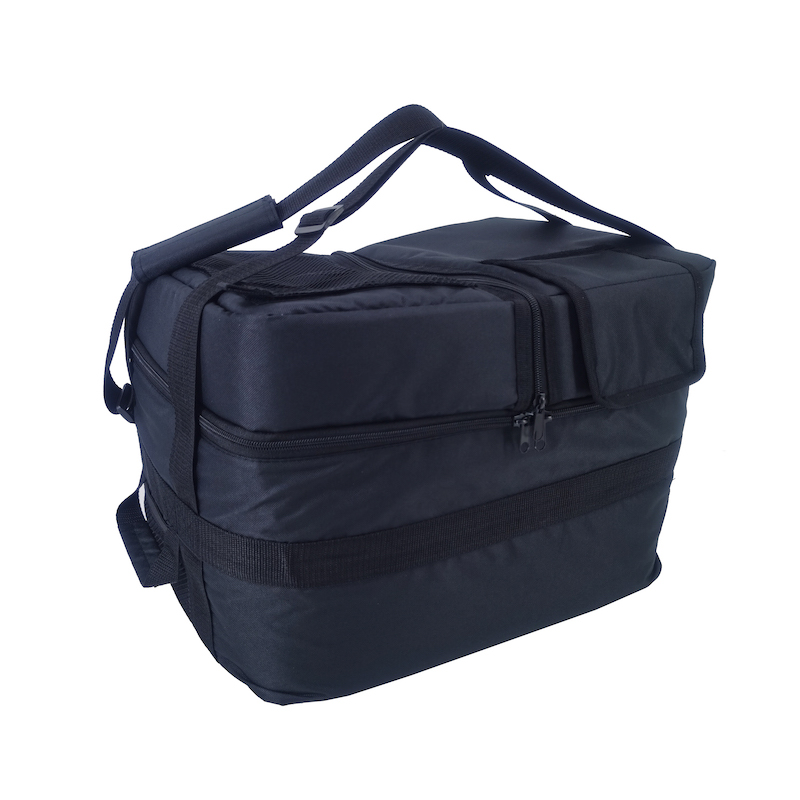
insulated lunch bag
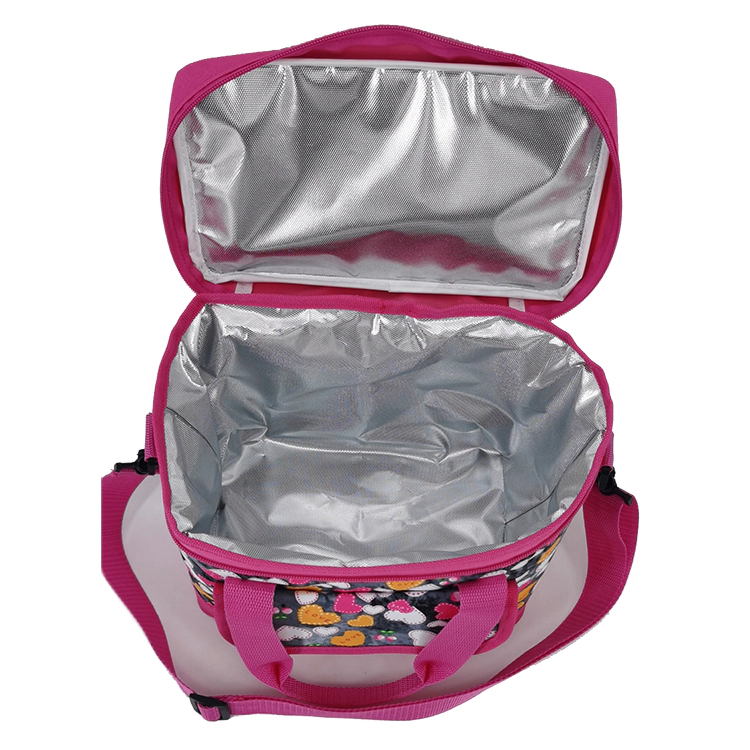
lunch insulated bag
Insulation bags are far more than simple temperature-maintaining accessories—they are indispensable tools in the pursuit of zero-waste living. By eliminating single-use packaging, reducing food waste, enabling bulk shopping, encouraging reusable containers, offering long-term durability, supporting sustainable social gatherings, and complementing food preservation practices, insulation bags address multiple dimensions of waste reduction simultaneously. Whether you choose a robust food cooler bag for grocery shopping, a spacious insulated picnic bag for gatherings, a practical insulated lunch bag for daily meals, or a thoughtfully designed lunch insulated bag for versatile use, integrating insulation bags into your routine represents a meaningful commitment to sustainability. As consumers increasingly seek ways to minimize their environmental footprint, insulation bags will continue to prove that practical, everyday solutions can drive significant progress toward a zero-waste future.
