
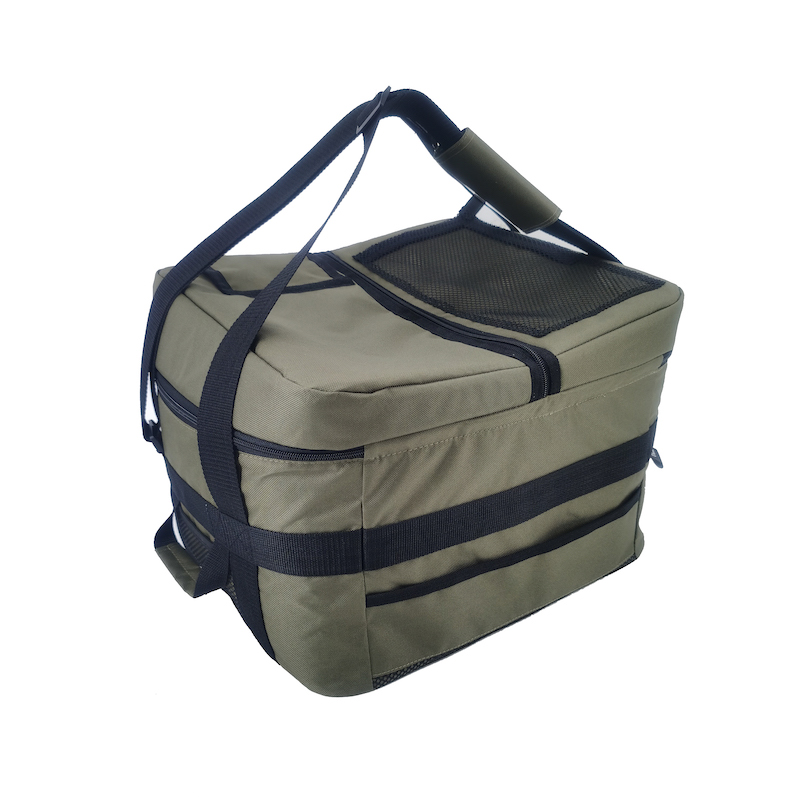
Selecting the right carrier for temperature-sensitive items requires careful consideration of materials, construction, and intended use. Whether you are transporting groceries, meal-prepped ingredients, or beverages for a day out, the insulation bag you choose directly impacts food safety and convenience. A high-quality insulation bag does more than simply hold items—it actively maintains internal temperatures against external heat. When evaluating any insulation bag, there are several critical features you must assess to ensure optimal performance and durability.
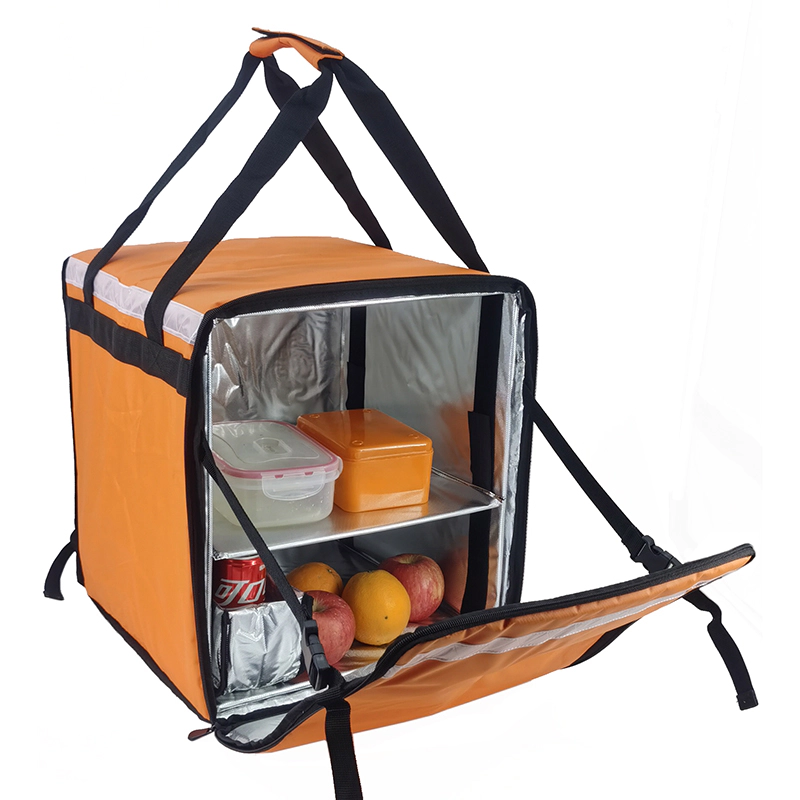
The first factor to examine is thermal retention. A premium food cooler bag should feature thick, closed-cell foam insulation or reflective thermal linings that minimize heat transfer. A well-constructed food cooler bag will keep contents cold for hours, whereas a thin, uninsulated food cooler bag will fail within an hour. When shopping for a food cooler bag, press the walls to gauge thickness; anything less than half an inch of insulation will struggle to maintain safe temperatures for perishable items. Additionally, a reliable food cooler bag should include a leak-proof, food-grade interior lining that is easy to wipe clean after spills.
Durability is equally important. An insulated picnic bag designed for outdoor use must withstand rough handling, exposure to sunlight, and occasional moisture. Look for an insulated picnic bag with reinforced stitching, heavy-duty zippers, and abrasion-resistant exterior fabrics such as polyester or nylon. A quality insulated picnic bag should also feature sturdy carrying handles or adjustable shoulder straps for comfortable transport over longer distances. If you frequently host outdoor gatherings, investing in a robust insulated picnic bag with multiple compartments will help separate raw meats from ready-to-eat items.
insulation bag
food cooler bag
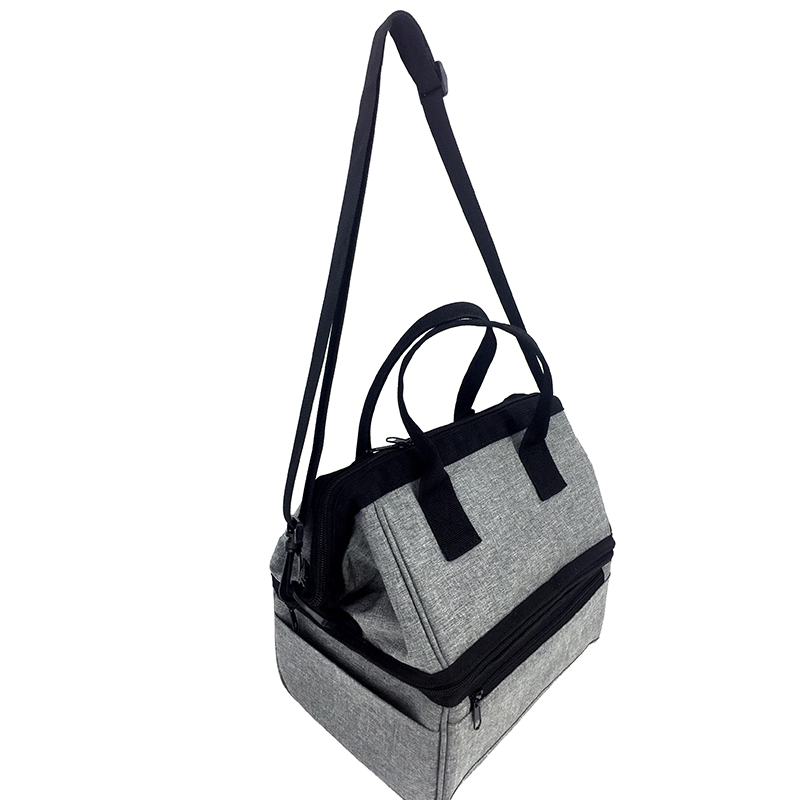
insulated picnic bag
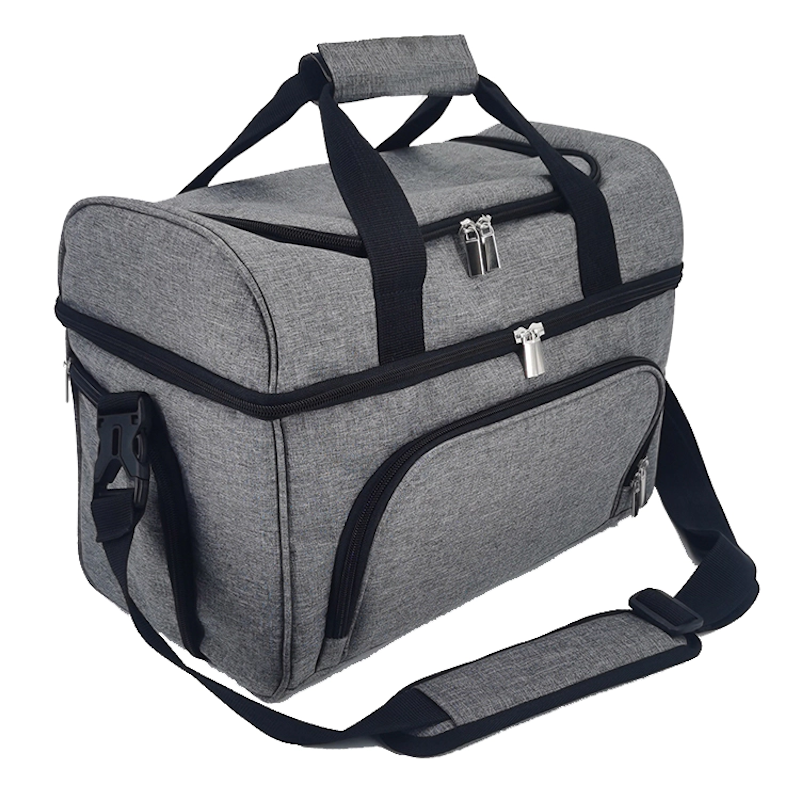
lunch cooler bag
For daily commuters and office workers, portability becomes the priority. A compact lunch cooler bag should offer sufficient capacity for meals while fitting easily into a backpack or briefcase. An ideal lunch cooler bag includes a front pocket for utensils or napkins, as well as a mesh side pocket for water bottles. When evaluating a lunch cooler bag, test the zipper quality—smooth, self-healing zippers prevent frustrating failures over time. Similarly, a lunch insulated bag designed for individual meals benefits from a lightweight construction that does not sacrifice thermal efficiency. A well-designed lunch insulated bag will maintain safe temperatures for 4 to 6 hours when paired with a small ice pack.
Finally, consider sealing and closure mechanisms. Whether you choose a lunch cooler bag the closure should create a tight seal to trap cold air inside. Welded seams and high-density zippers indicate superior craftsmanship. By prioritizing these features, you ensure that your chosen insulation bag delivers reliable performance for years to come.
