
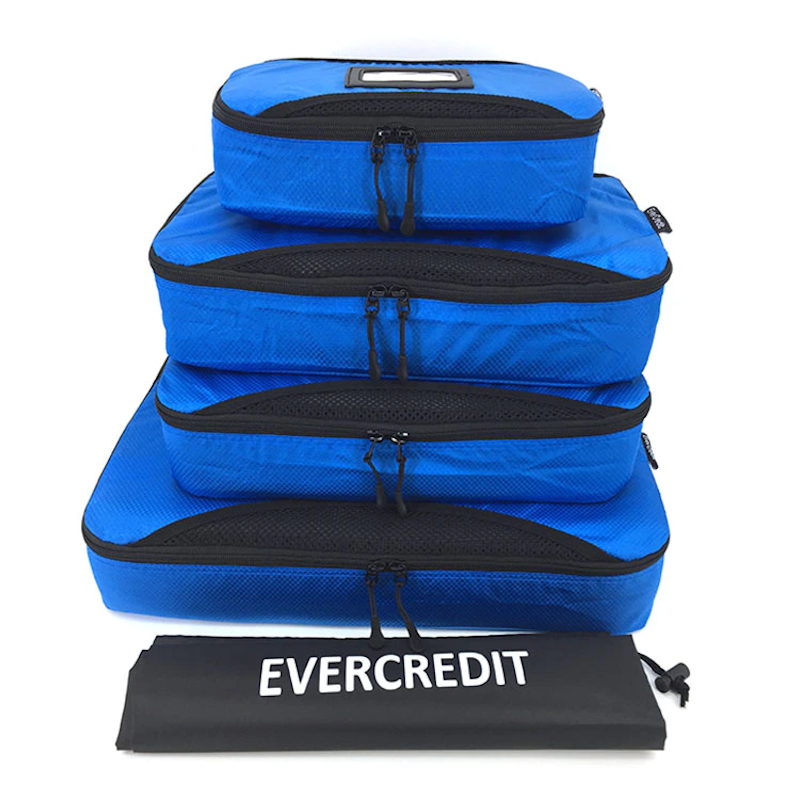

The travel accessories market has seen a significant shift in recent years, with sustainability moving from a niche concern to a mainstream demand. Among the most popular items in any organized traveler's arsenal are packing cubes. However, a new contender has entered the ring: the RPET packing cube. While they look similar to traditional options at first glance, the differences are profound, impacting not just your travel experience but also the health of the planet. So, how exactly is an RPET packing cubes different from a regular one? Let's break it down.
The Fundamental Difference: Material Source
The most significant distinction lies in the raw materials. Regular packing cubes are typically made from virgin polyester, which is a plastic derived directly from petroleum (crude oil). The manufacturing process for virgin polyester is energy-intensive and contributes to carbon emissions.
In contrast, RPET stands for Recycled Polyethylene Terephthalate. These traveling cubes are made from recycled plastic, primarily post-consumer plastic bottles. The bottles are collected, cleaned, shredded into flakes, and then melted down to create new polyester fibers. These fibers are then woven into the fabric used for your packing cubes set. By choosing RPET, you are directly diverting plastic waste from landfills and oceans.
Feel and Durability: Is There a Trade-Off?
A common misconception is that recycled materials are inferior in quality. However, modern technology has advanced to the point where RPET fabric is virtually indistinguishable from virgin polyester.
Durability: RPET fibers are strong and resistant to tearing, making them excellent for the rigors of travel. A high-quality RPET travel organizer bags will last just as long as its traditional counterpart.
Texture: The fabric feels smooth and lightweight. If you were to touch an RPET cube and a regular cube side by side with your eyes closed, it would be very difficult to tell the difference.
Colorfastness: RPET fabric holds dye well, meaning your vibrant lightweight packing cubes will not fade easily after exposure to sun or repeated washing.
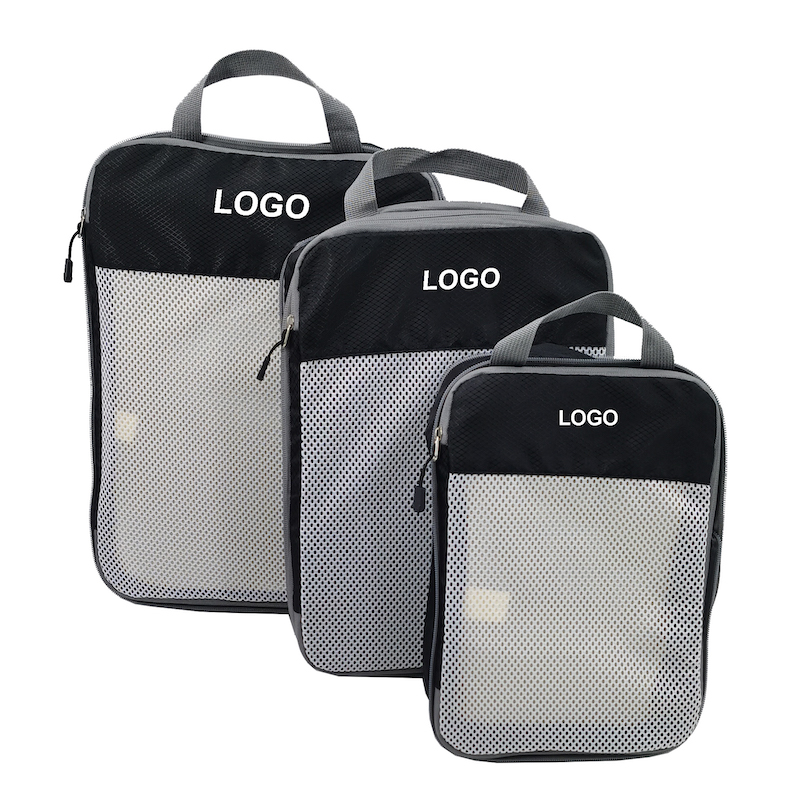
packing cubes
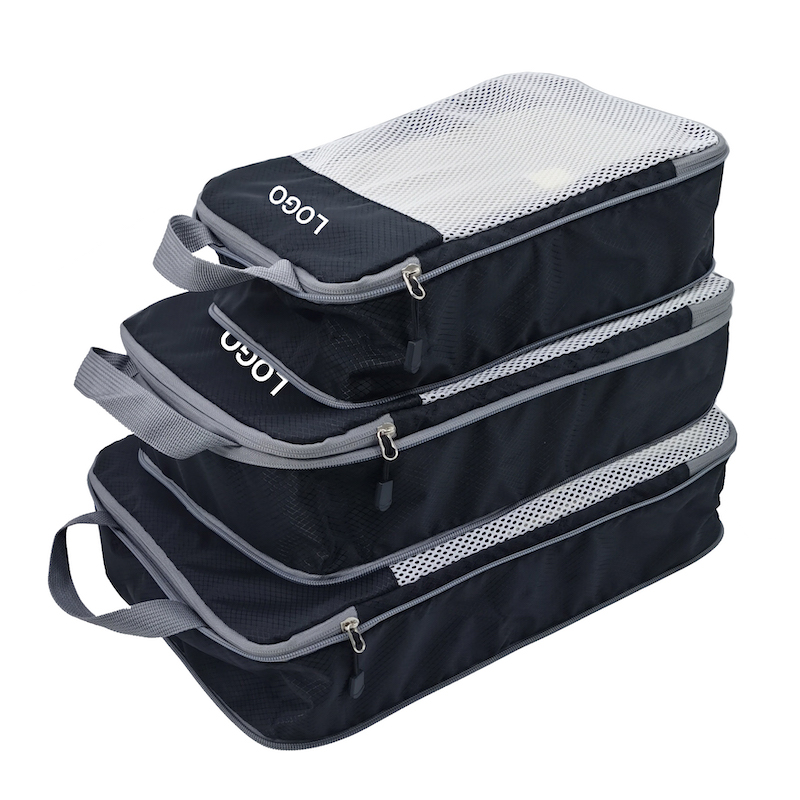
traveling cubes
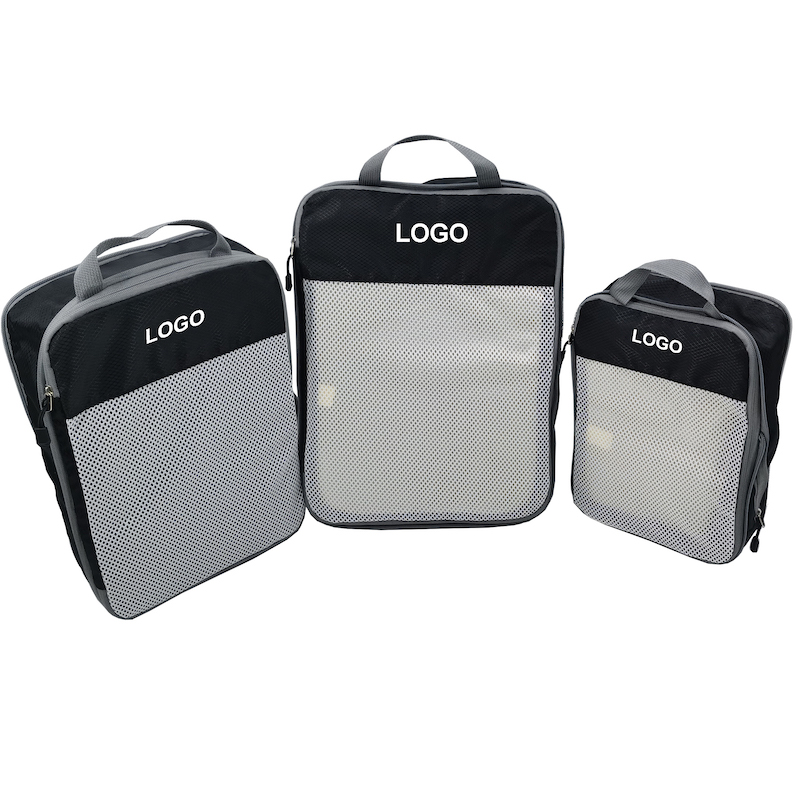
packing cubes set
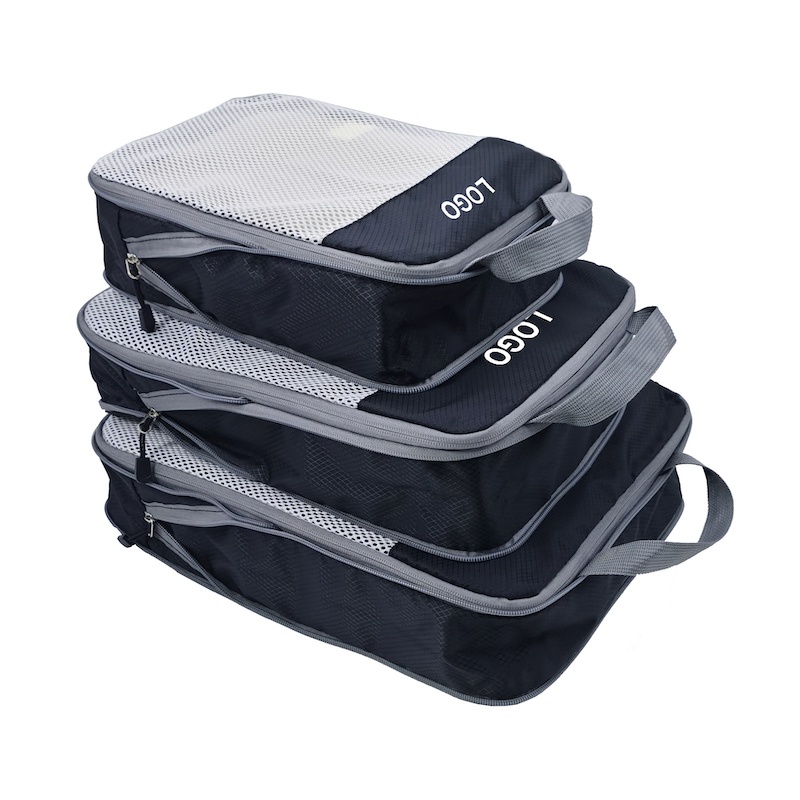
travel organizer bags
Environmental Impact: The Green Advantage
This is where RPET truly shines. The production of RPET fabric generates significantly fewer greenhouse gas emissions compared to virgin polyester. It also consumes less energy and water. Furthermore, it tackles the global plastic crisis head-on.
Every time you purchase a set of RPET packing cubes, you are supporting a circular economy. A standard set can be made from 10 to 20 recycled plastic bottles. By choosing these travel organizer bags over regular options, you are voting with your wallet for a cleaner planet.
Weight and Packability
Both RPET and traditional polyester are lightweight. In fact, lightweight packing cubes made from RPET are just as featherlight as their virgin counterparts. This makes them ideal for travelers who need to maximize every gram of their baggage allowance. You get the same organizational benefits without any extra weight penalty.
Price Point: Is It More Expensive?
Historically, recycled materials carried a "green premium." However, as recycling technology becomes more widespread and efficient, the price gap is closing. Many RPET traveling cubes are now priced competitively with mid-range traditional cubes. While some high-end virgin polyester cubes may still be cheaper than premium RPET options, the environmental benefits often justify any minor price difference for eco-conscious consumers.
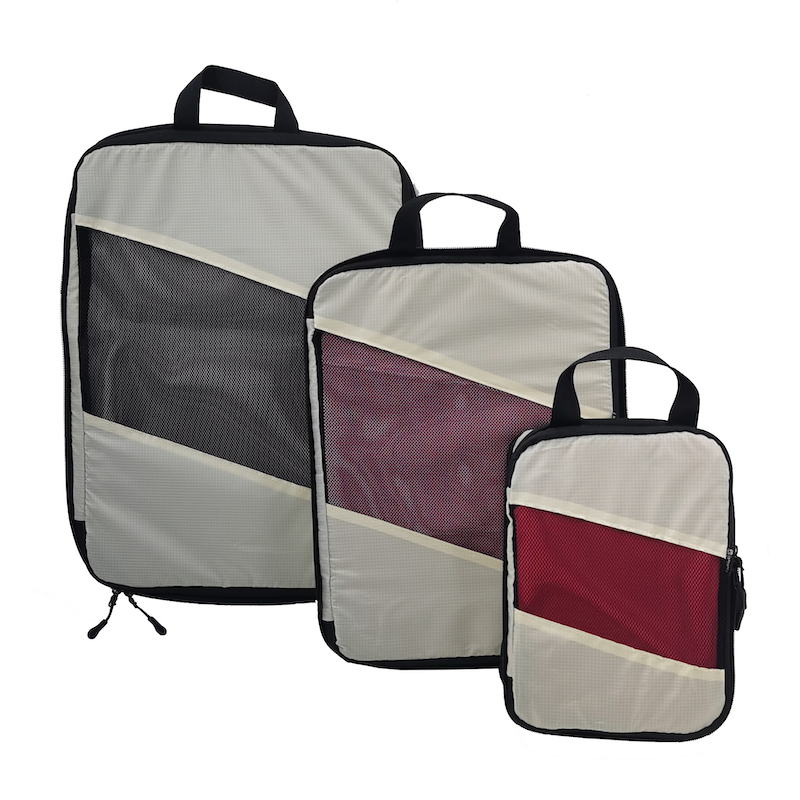
lightweight packing cubes
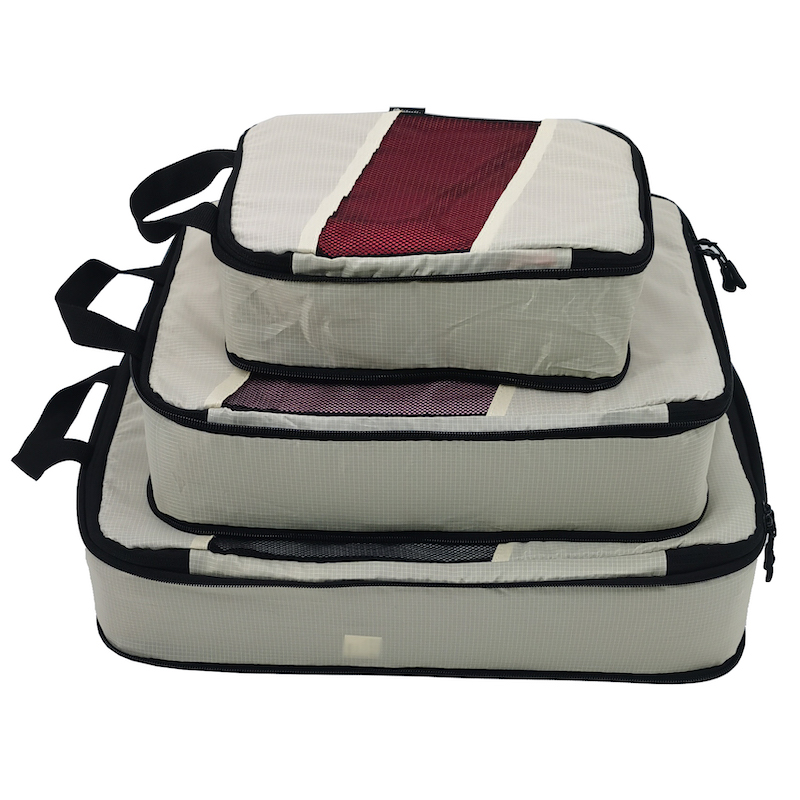
traveling cubes
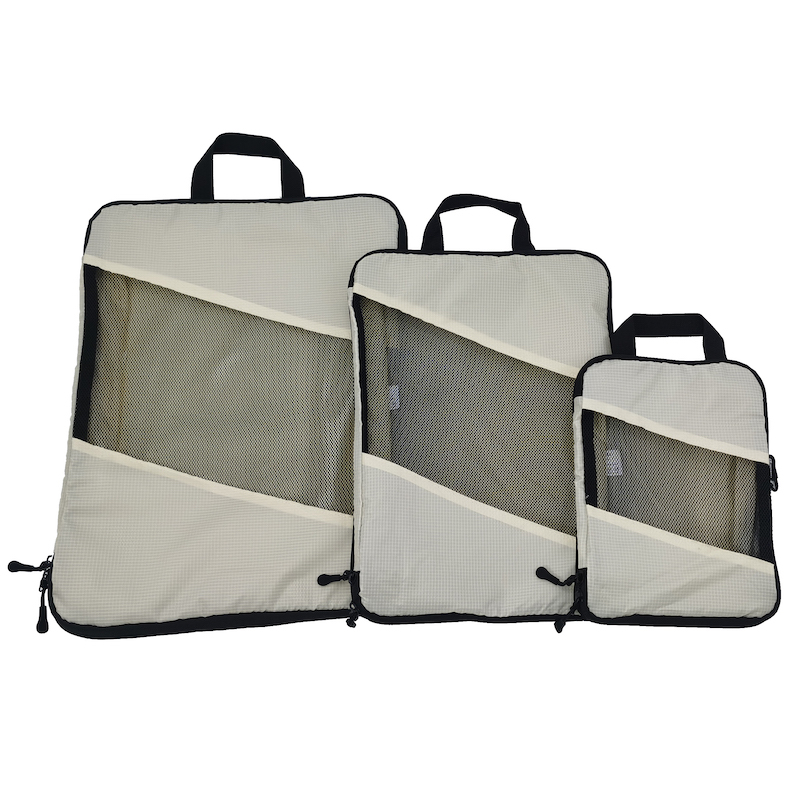
travel organizer bags
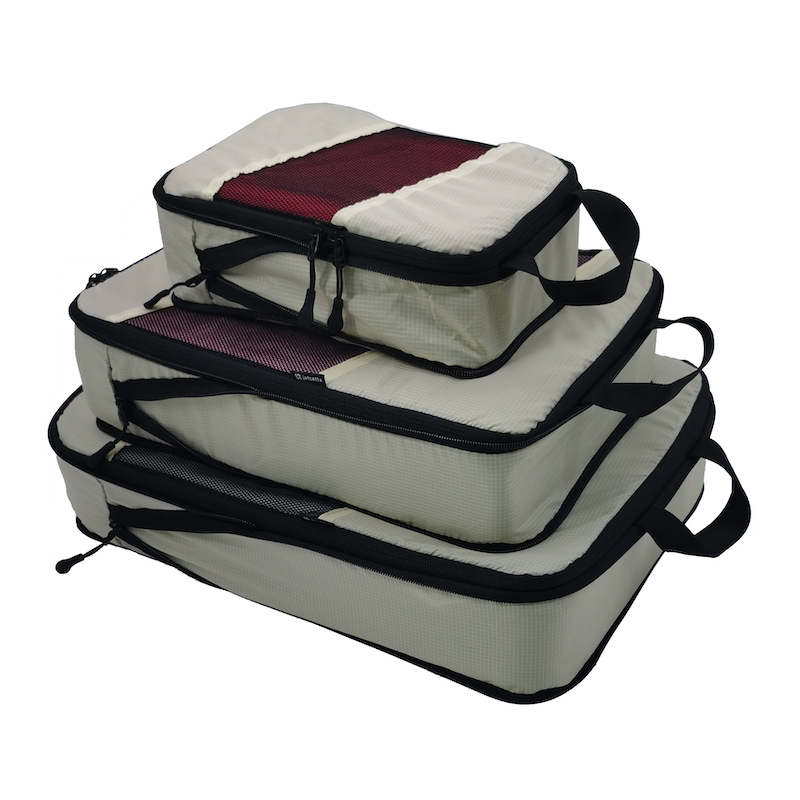
packing cubes set
The difference between an RPET packing cube and a regular packing cube boils down to origin and impact. While both serve the same purpose—organizing your suitcase and maximizing space—the RPET option does so with a conscience. It offers the same durability, lightweight feel, and functionality of traditional packing cubes set, but with a significantly lower environmental footprint.
By choosing RPET travel organizer bags, you are not just investing in better organization; you are investing in a more sustainable future for travel. Next time you shop for lightweight packing cubes, consider making the switch to recycled materials. Your wardrobe will stay organized, and the planet will thank you.
