

Compression packing bags have revolutionized how travelers approach luggage organization. By removing excess air, these innovative tools create additional space and keep belongings neatly contained. However, simply tossing compressed bags into your suitcase randomly misses the point. True efficiency comes from strategic organization—knowing what goes where and how to layer your luggage for maximum capacity and accessibility.
Mastering the art of organizing compression packing bags transforms your travel experience from chaotic to seamless. Here is your comprehensive guide.
Start with the Right Foundation
Before organizing, assess your luggage type. Hard-shell suitcases offer structured interiors ideal for stacking compressed bags. Soft-sided bags require more attention to weight distribution to maintain balance.
Measure Your Space:
Take note of your suitcase interior dimensions. Standard carry-on sizes work best with specific cube packing bags configurations. Knowing exact measurements prevents overbuying and ensures your organizers fit perfectly without wasted space.
Sort by Category, Not by Day
The most common packing mistake is organizing by outfit rather than category. This forces you to open multiple bags for a single outfit change, creating chaos.
Category-Based Packing:
Group similar items together. All tops go in one compression bag, bottoms in another, underwear and socks in a third. This method allows quick outfit assembly without disrupting your entire suitcase organization.
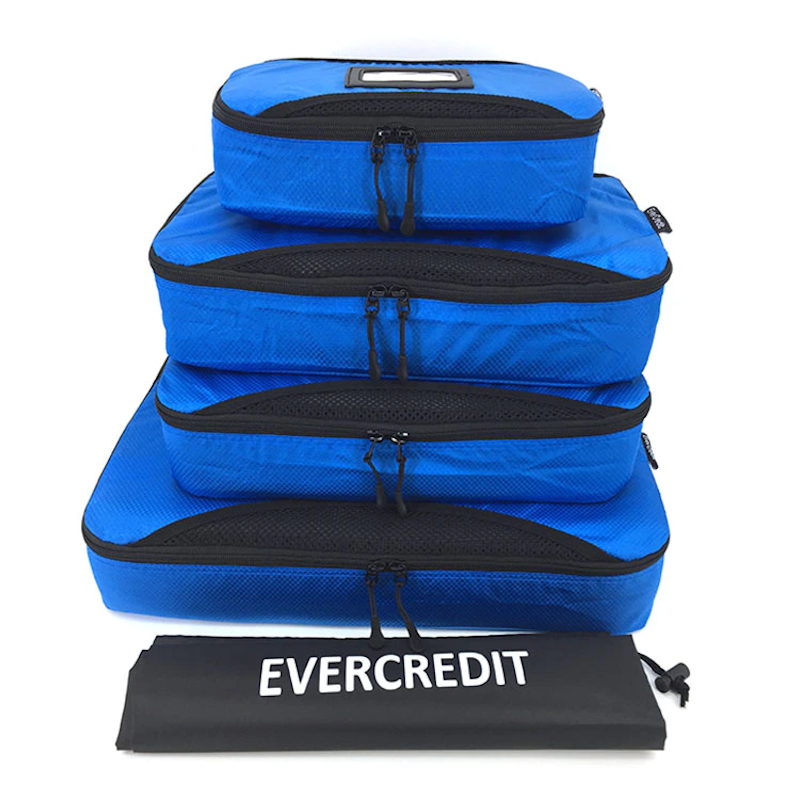
A quality luggage organizer set typically includes multiple sizes. Use larger bags for bulkier items like sweaters and jeans. Reserve smaller bags for delicates and accessories. This size variation maximizes space efficiency within your luggage packing cubes collection.
The Rolling Technique Within Compression Bags
Compression bags work best when items are pre-organized before sealing. Rolling clothes rather than folding them creates smaller, more uniform bundles that compress evenly.
How to Roll:
Lay clothing flat, fold sleeves inward, and roll tightly from bottom to top. This technique minimizes wrinkles and creates cylindrical shapes that pack densely inside your cube packing bags.
Layering Within Bags:
Place heavier items at the bottom of each compression bag, lighter items on top. This weight distribution ensures even compression when you seal and roll the bag, preventing pressure points that could damage fabrics.
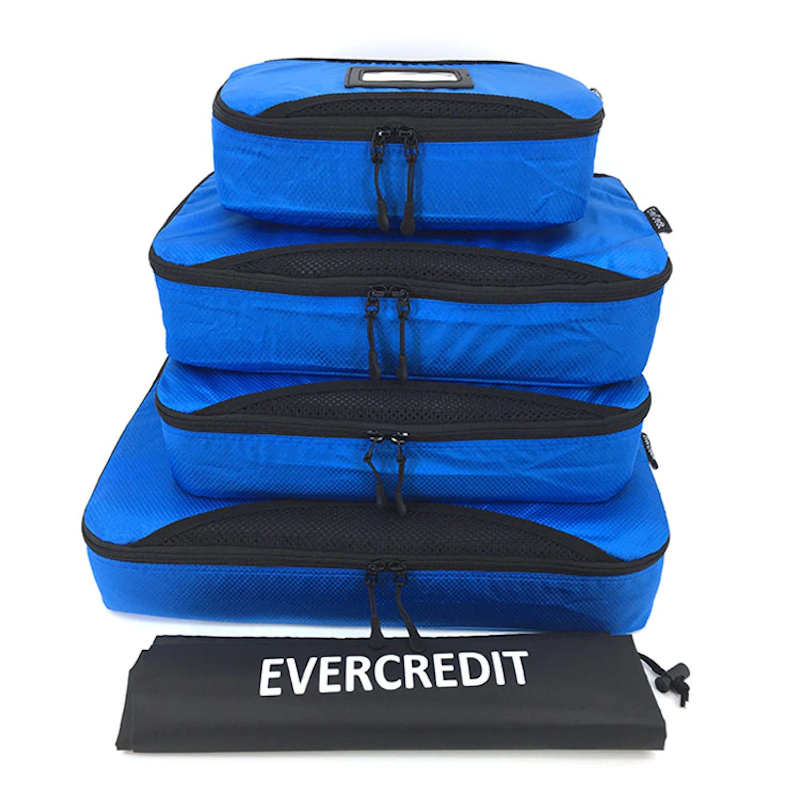
cube packing bags
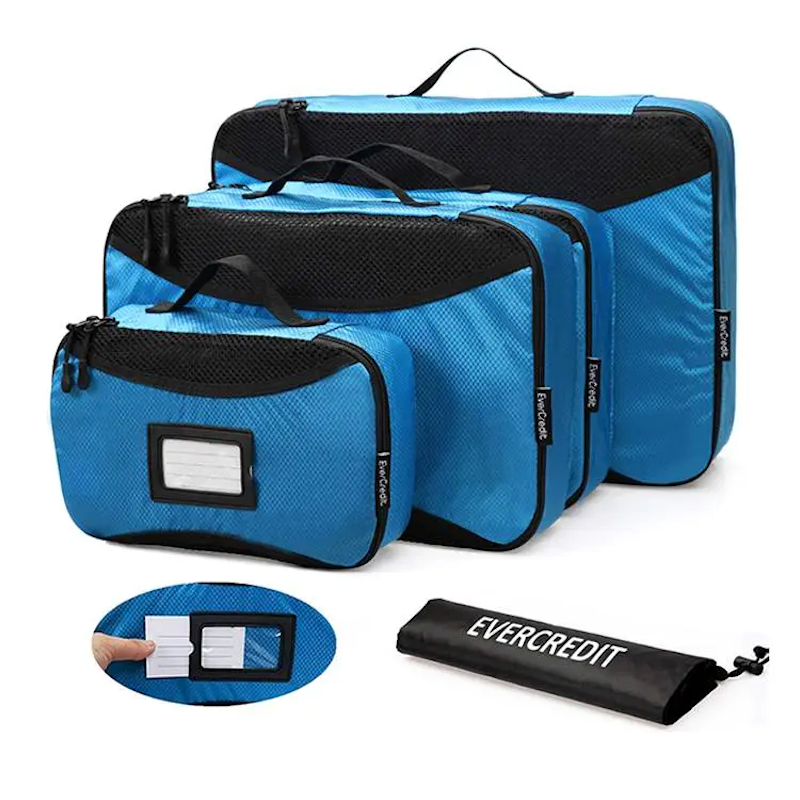
luggage organizer set
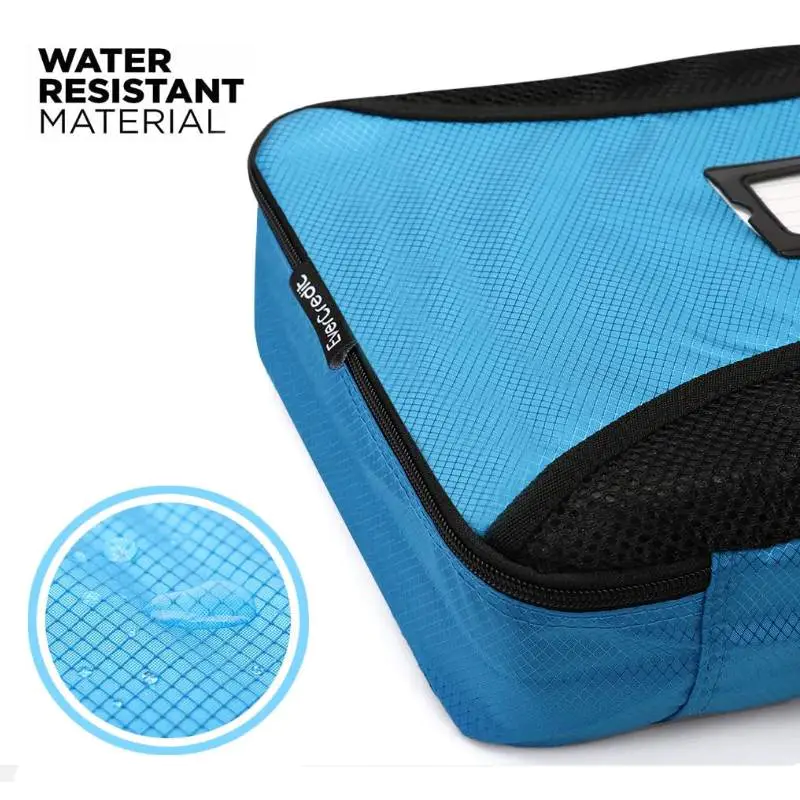
luggage packing cubes
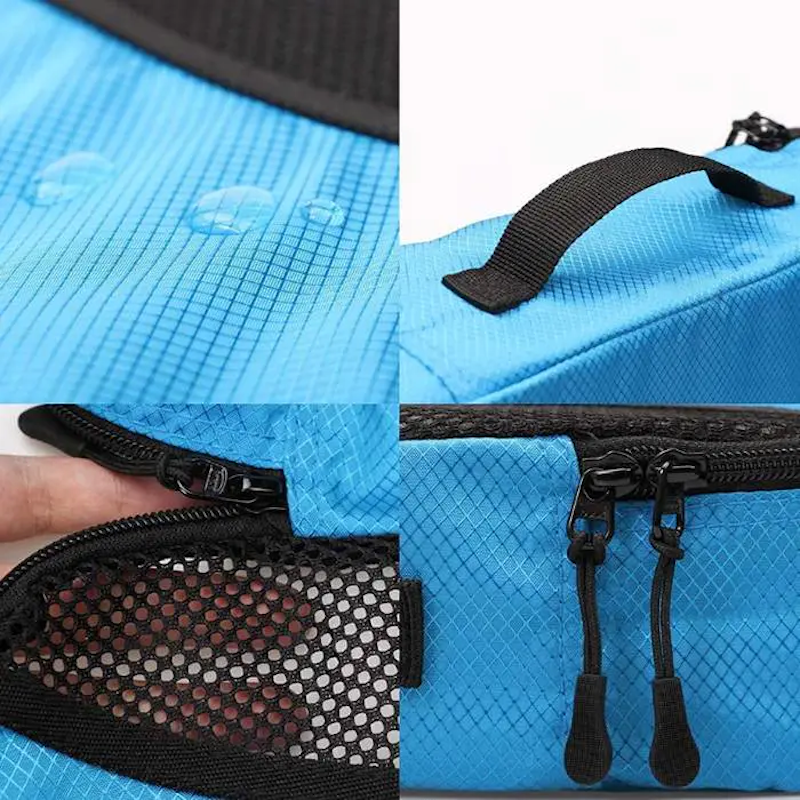
compression packing bags
Strategic Suitcase Layout
Once your compression packing bags are packed and sealed, arranging them in your suitcase requires thoughtful planning.
Heavy Items at the Wheel End:
Place your heaviest compression bags near the wheels of rolling luggage. This positioning keeps the suitcase balanced and easier to maneuver through airports. Lighter bags go near the handle end.
Vertical Stacking:
Stand compression bags on their edges like files in a drawer. This vertical orientation allows you to see all bag edges at once, making item retrieval easier without disturbing everything else.
Fill Gaps Strategically:
After placing main bags, use smaller items to fill gaps. Shoes, toiletry kits, and electronics fit perfectly in the spaces between compressed bags. Consider using waterproof packing cubes for toiletries to prevent leaks from damaging clothing.
The One-Bag-Per-Person Rule
For couples or families sharing luggage, assign each person their own compression bags. This separation prevents cross-contamination of items and makes unpacking at destinations simpler.
Color Coding:
Choose luggage packing cubes in different colors for each family member. Visual identification speeds up morning routines when everyone needs specific items from shared luggage.
Create a Packing Map
Before closing your suitcase, mentally note where everything resides. Better yet, create a simple packing map on your phone.
What to Remember:
Which compression bag holds underwear and socks
Where you placed your travel documents
The location of your change of clothes for layovers
This mental map saves time and frustration during trips, especially when you need something quickly.
Leave Room for Souvenirs
Compression packing bags create significant space savings, but don't fill every centimeter on your outbound journey. Leave approximately 20% of your suitcase volume empty for return trip purchases.
Strategic Empty Space:
Place empty luggage organizer set components in your suitcase for the return journey. These can accommodate dirty laundry or souvenirs without requiring additional bags.
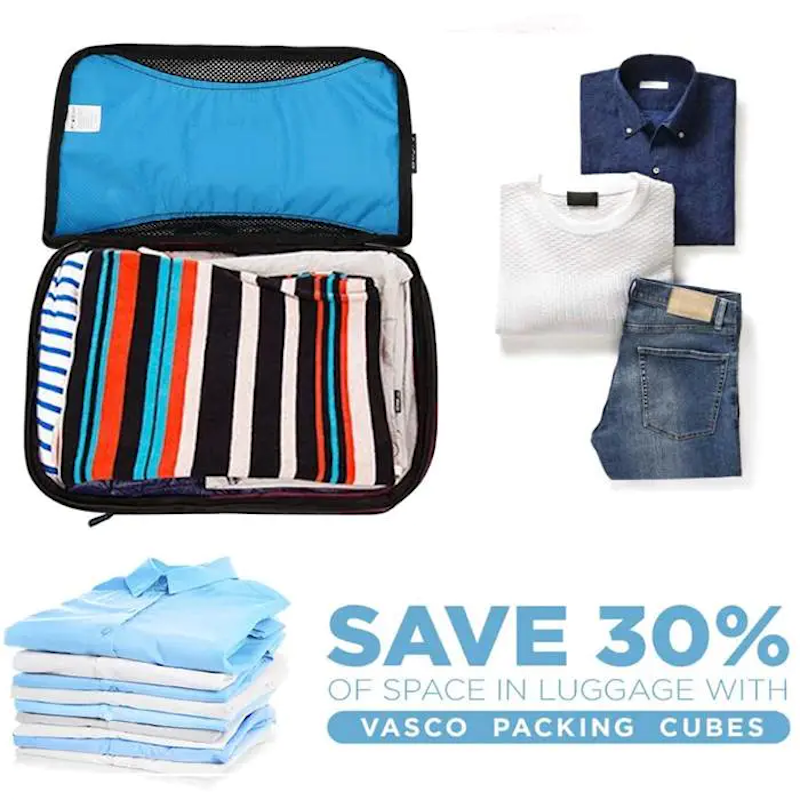
waterproof packing cubes
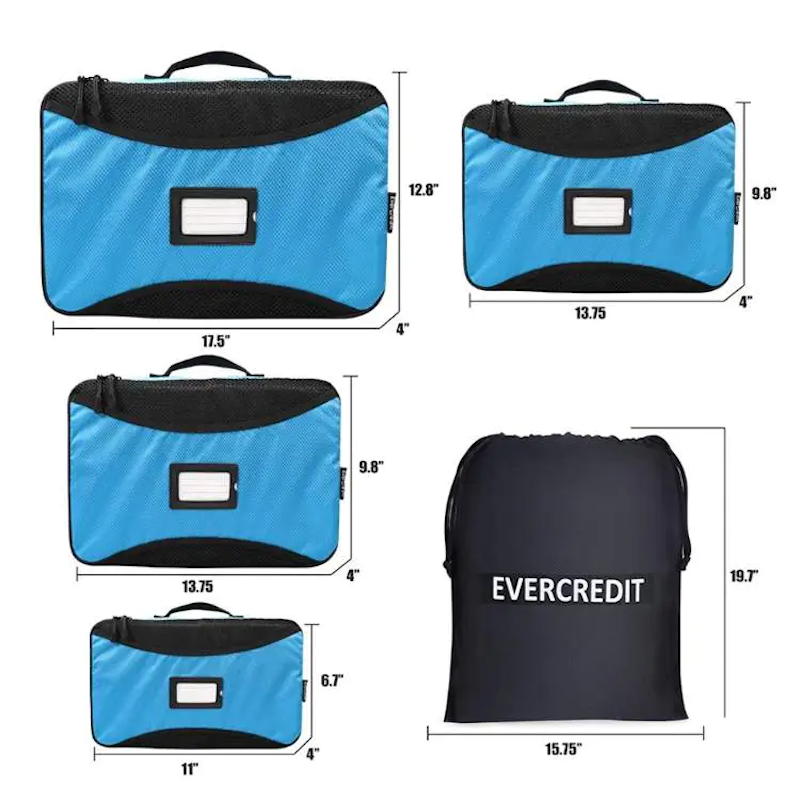
cube packing bags
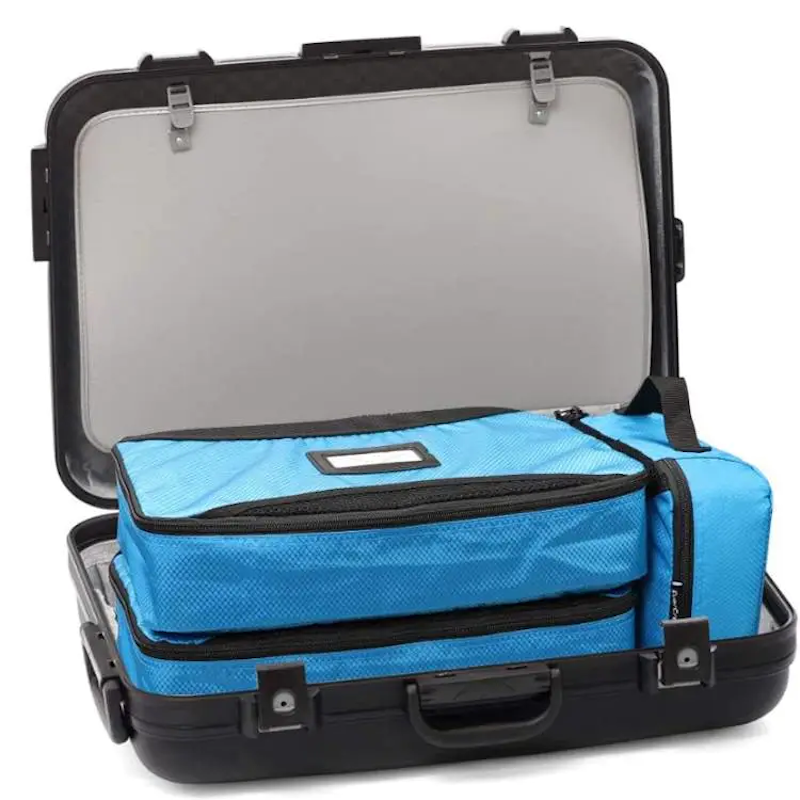
luggage packing cubes
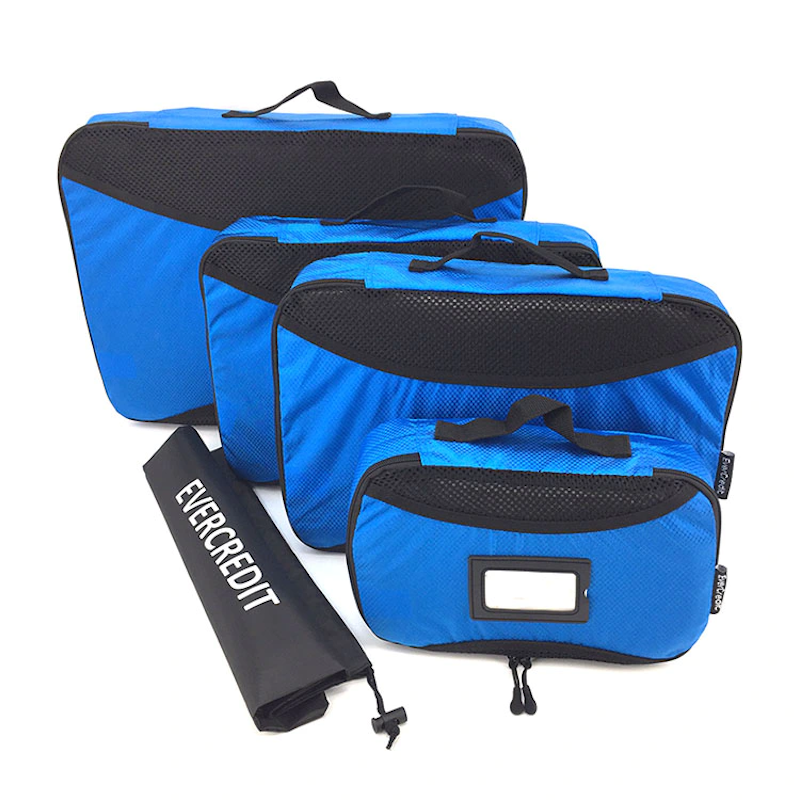
compression packing bags
Handling Dirty Laundry During Travel
Waterproof packing cubes excel at separating clean from dirty items. Designate one bag specifically for used clothing to prevent contamination.
Dirty Laundry Strategy:
As you wear items, transfer them to a dedicated compression bag. At your destination, compress this bag to minimize space usage. Dirty clothes take up less room than clean ones when properly compressed.
Destination-Specific Adjustments
Different trips require different organization strategies within your travel packing set.
Business Travel:
Place wrinkle-prone dress shirts in their own compression bag at the top of your suitcase. Consider carrying a small steamer for any remaining creases.
Beach Vacations:
Keep swimwear and cover-ups in easily accessible cube packing set components near the top. Wet items can go directly into dedicated waterproof packing cubes.
Cold Weather Trips:
Bulkier items like sweaters and jackets benefit most from compression. Use larger bags for these items and place them at the bottom of your suitcase.
The Unpacking Process
Arriving at your destination doesn't mean abandoning organization. A systematic unpacking approach maintains order throughout your trip.
Partial Unpacking:
Remove only the compression bags you need immediately. Leave others sealed and stored in your suitcase. This approach keeps your accommodation tidy and your belongings organized within your travel cube set.
Drawer Integration:
Some travelers prefer transferring compressed clothing directly into dresser drawers. Simply open the compression bag and slide the stack into a drawer—the clothes remain neatly organized.
Returning Home
On your last day, reverse the process. Use your designated dirty laundry compression bag for worn items. Clean clothes that remained unworn stay in their original package cubes.
Post-Trip Maintenance:
After returning home, empty all compression bags and leave them open to air out. This prevents moisture buildup and keeps them fresh for your next adventure.
Common Mistakes to Avoid
Overfilling:
Resist cramming too many items into a single compression bag. Overfilled bags strain seams and zippers, reducing the lifespan of your luggage packing cubes.
Compressing Delicates:
Some fabrics, like silk and certain synthetics, don't respond well to compression. Keep these items in separate, uncompressed sections.
Forgetting Accessibility:
Place items you'll need during transit—like a change of clothes or medications—in easily accessible cube packing bags components near the top of your suitcase.
Choosing the Right Compression Bags
Not all compression bags perform equally. Look for features that enhance organization:
Double-zip seals for reliable compression
Reinforced seams for durability
Transparent windows for content identification
Multiple sizes for different clothing types
Vacuum-compatible options for maximum compression
A quality luggage organizer set includes various sizes and durable construction that withstands repeated use. Consider adding waterproof packing cubes for bathroom items and liquids.
Organizing compression packing bags in a suitcase transforms chaotic luggage into a model of efficiency. By sorting by category, rolling clothing strategically, and arranging bags thoughtfully, you maximize space and minimize stress.
Whether you travel weekly or once a year, mastering this system pays dividends. Your suitcase becomes easier to pack, simpler to navigate, and more capable of carrying everything you need.
Remember these principles: category sorting, strategic placement, and leaving room for the unexpected. With practice, organizing your cube packing bags becomes second nature. Your luggage organizer set becomes an indispensable travel companion. Your luggage packing cubes ensure every journey starts and ends with order.
Invest in quality compression packing bags that suit your travel style. Consider waterproof packing cubes for added protection. Choose cube packing set options that fit your specific needs. And never underestimate the satisfaction of a perfectly packed suitcase.
Happy travels, and may your luggage always be organized.
